Thinking about renovating a Bedford-Stuyvesant brownstone? It is exciting, but it can also get complicated fast. Between historic district rules, older building conditions, and New York City permit requirements, your timeline and budget can shift if you plan in the wrong order. This guide will help you understand what to check first, which approvals may apply, and how to build a smarter renovation plan before work begins. Let’s dive in.
Start With Property Status
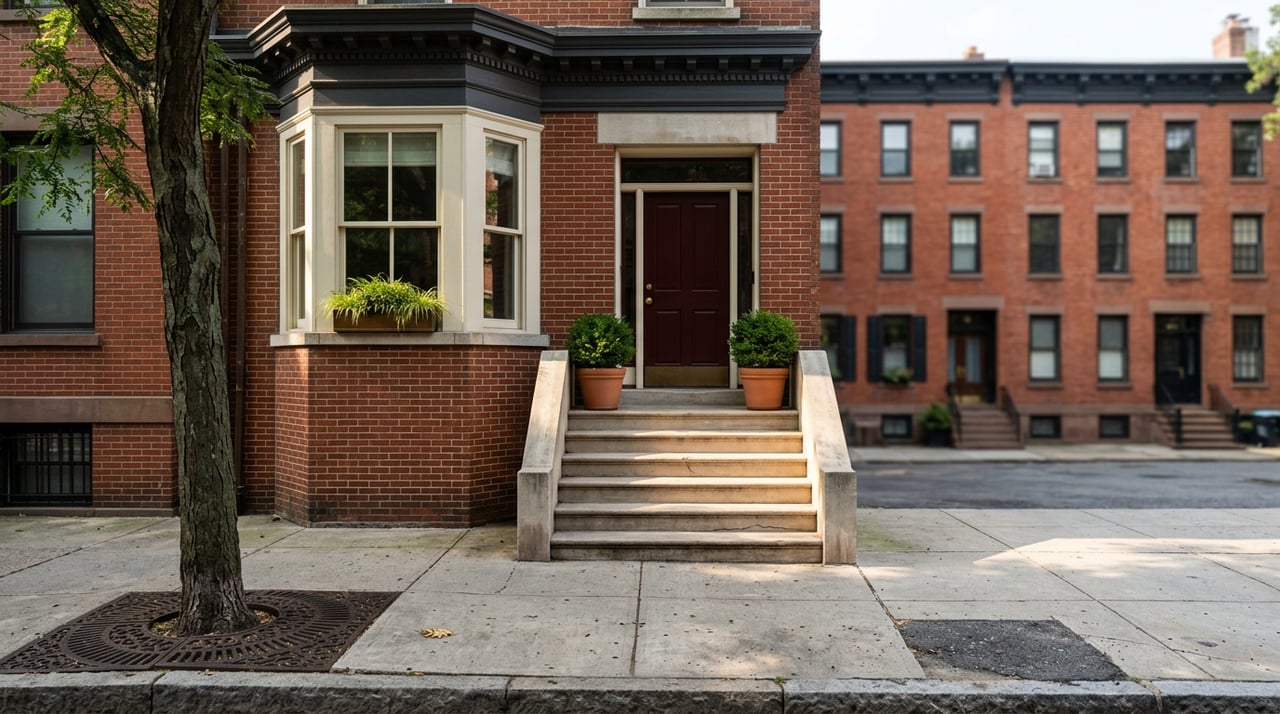
Before you sketch a new kitchen or price out windows, confirm exactly what you own. In Bedford-Stuyvesant, some brownstones sit within historic districts, including the Bedford Stuyvesant/Expanded Stuyvesant Heights Historic District, and the area also gained the Willoughby-Hart Historic District in 2024.
That matters because landmark status is address-specific. A home inside a historic district may need Landmarks Preservation Commission review for certain exterior work, even when the changes seem modest. Checking designation first can help you avoid redesign costs and permit delays later.
Why Bed-Stuy Brownstones Need Careful Planning
Many Bed-Stuy brownstones are late-19th-century masonry row houses. The district includes a wide mix of architectural styles, including Italianate, Second Empire, neo-Grec, Queen Anne, Romanesque Revival, and Renaissance Revival.
The area is also known for having a remarkably intact architectural character. That is a big reason exterior details, original materials, and façade work often need a more thoughtful approach than a standard renovation elsewhere in the city.
Review Existing Conditions Early
Once you confirm the property context, the next step is understanding the building itself. In an older brownstone, unseen issues can have a major effect on scope, cost, and timing.
A solid planning review should look closely at:
- Roof condition
- Façade and masonry
- Windows
- Stairs
- Signs of moisture intrusion
- Major building systems
This early review helps you separate cosmetic goals from must-do repairs. It also gives your design team a better starting point before plans are finalized.
Watch for Hidden Hazards
Older homes can come with materials that require special handling. For Bed-Stuy brownstones, lead-safe planning and asbestos review should be part of your due diligence.
Lead-safe renovation rules may apply to pre-1978 housing. New York City also says owners planning renovation, alteration, or demolition are responsible for determining whether asbestos-containing material is present in affected areas, and asbestos requirements must be satisfied before a permit may be issued.
Because many Bed-Stuy brownstones predate 1989 by a wide margin, this is not something to treat as an afterthought. It is best handled during the planning phase, before permits and before demolition starts.
Build Energy Upgrades Into the Scope
It is easy to focus on finishes and layout, but comfort and efficiency deserve attention from the start. New York City’s Energy Conservation Code applies to all alterations.
That means your renovation plan should account for items like insulation, windows, heating and cooling, ventilation, lighting, and hot-water equipment. Even if your main goal is aesthetic, these building-performance decisions can affect long-term comfort, operating costs, and the overall success of the project.
Match the Work to the Right Approvals
One of the biggest renovation mistakes is getting bids before you understand filing requirements. In New York City, many projects need Department of Buildings approval, and some brownstone projects also require Landmarks Preservation Commission review.
The right path depends on what you plan to change. Cosmetic work, layout changes, systems upgrades, and exterior restoration do not all follow the same process.
When DOB Approval May Apply
Most construction in New York City requires DOB approval. The city also notes that most kitchen or bathroom renovations require an ALT2 filing by a New York State licensed professional engineer or registered architect.
Examples of work that often triggers filed plans include:
- Adding a new bathroom
- Rerouting gas pipes
- Adding electrical outlets
- Moving a load-bearing wall
If your renovation includes layout changes or major system updates, discuss permit strategy before you lock in final contractor pricing. The filed plans can shape both cost and timeline.
When LPC Review May Apply
If your brownstone is landmarked or inside a historic district, LPC approval may also be part of the process. LPC does not ban changes, but it does review proposed work for compatibility with the building and the district.
LPC requires permits for exterior work affecting landmarks and buildings in historic districts. That can include work not visible from the street, as well as interior work that requires a DOB permit or affects the exterior.
Minor Work Still May Need Approval
Some owners assume only large projects trigger landmark review. In practice, smaller exterior updates may still require LPC approval.
For exterior work that does not require a DOB permit, LPC may issue a Permit for Minor Work. This can apply to items such as window or door replacement in existing openings, masonry cleaning, brownstone resurfacing, and through-window HVAC equipment. LPC says complete applications can often be approved in about 10 business days.
Know What Usually Does and Doesn’t Need a Permit
Not every renovation step needs a DOB permit. Still, it is important to separate true cosmetic work from changes that affect systems, structure, or the exterior.
Here is a simple way to think about common scope categories:
| Scope type | Typical examples | Possible approval path |
|---|---|---|
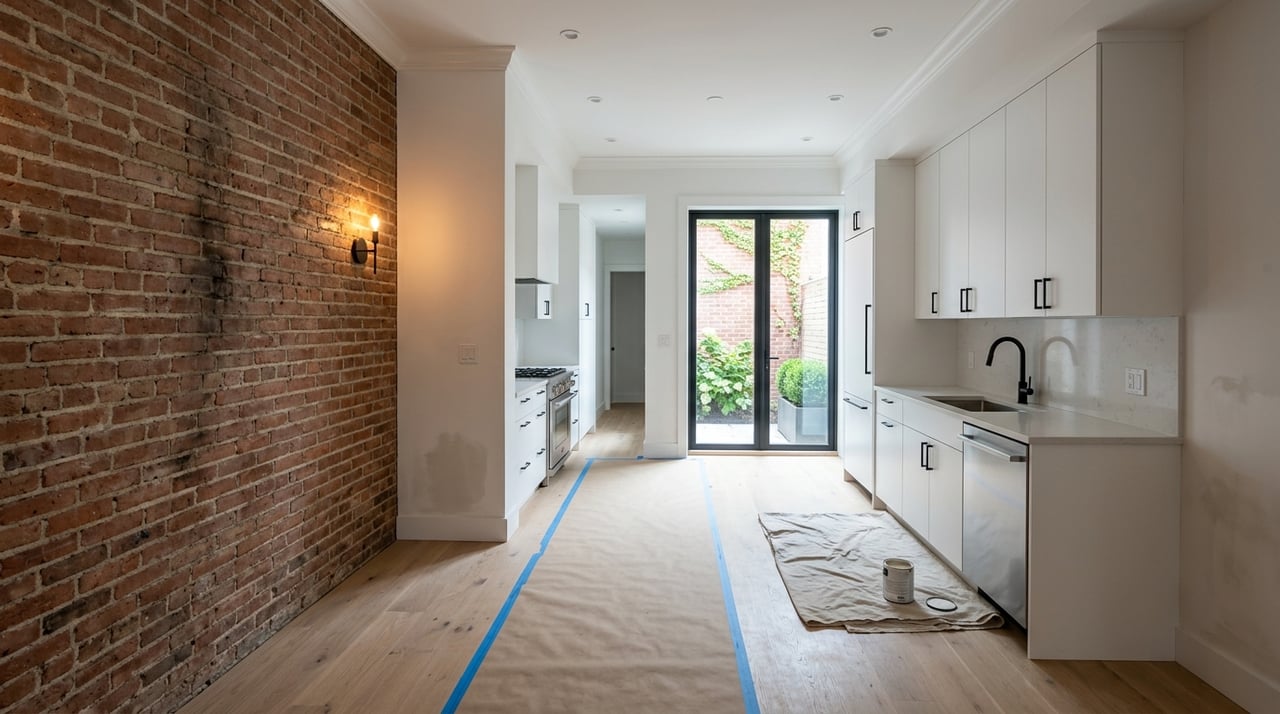
| Cosmetic interior work | Painting, plastering, new cabinets, resurfacing floors, replacing plumbing fixtures | Often no DOB permit, but contractor licensing still matters |
| Layout or system changes | New bathroom, gas rerouting, added outlets, moving load-bearing walls | Usually DOB filing with PE or RA |
| Exterior brownstone updates | Window or door replacement, masonry cleaning, resurfacing | May require LPC review and may qualify for Minor Work |
| Exterior penetrations | Vents or HVAC-related openings | Can trigger LPC review on landmarked properties |
The key point is simple: work that seems small can still fall into a filing category. Clarifying that early helps protect your budget and schedule.
Hire the Right Professionals
Your renovation team matters just as much as your renovation plan. New York City says most projects that require a permit also need a New York State licensed PE or RA to file plans.
The city also requires a Home Improvement Contractor license for residential work over $200. Before signing a contract, verify that your contractor is properly licensed for the work.
Assemble the Team Early
For a Bed-Stuy brownstone, early coordination can save time. A practical planning approach is to bring together the owner, architect or engineer, contractor, and, when needed, a preservation-focused adviser before the project is fully priced.
That is especially helpful for landmarked properties, where applications may need photographs, plans, and supporting documentation. The more aligned your team is at the start, the fewer surprises you are likely to face during review.
Plan for Filing Time
A brownstone renovation is not just a construction project. It is also an approvals project.
LPC applications are filed through Portico, while most DOB permits are handled through DOB NOW: Build. That means you should allow time for drawings, photo documentation, application prep, and agency review before demolition or material orders begin.
If you rush to collect bids without a clear filing strategy, you may end up repricing the job later. In many cases, the smartest sequence is design first, permit strategy second, and final pricing after the scope is truly defined.
Budget With Risk Reduction in Mind
When owners think about renovation return, it is natural to focus on finishes. But in a Bed-Stuy brownstone, the best early budget priorities are often the ones that reduce risk and improve daily livability.
A useful high-level framework is to prioritize:
- Water intrusion issues
- Roof and masonry repairs
- Reliable building systems
- Code compliance items
- Functional layout improvements
This does not promise a dollar-for-dollar resale return. It does create a stronger foundation for value by making the home safer, easier to maintain, and more coherent for future buyers.
How Preservation Fits Into Value
In landmarked areas, preservation-sensitive exterior work can also support the property’s long-term value case. The purpose of the Landmarks Law includes stabilizing and improving property values, which helps explain why compatible exterior restoration can matter.
That said, project-level return still depends on the home’s condition, design quality, and the market. The safest mindset is to treat renovation as both a home-improvement decision and an asset-protection decision.
A Smarter Renovation Starts With the Right Questions
If you are planning a brownstone renovation in Bedford-Stuyvesant, the order of operations matters. First confirm historic district status, then evaluate the building’s real condition, then map your scope to the right approvals and professionals.
That approach can help you avoid costly missteps and make better decisions about timeline, design, and budget. In a neighborhood where architecture, regulation, and value are closely connected, clear planning is one of the best investments you can make.
If you are weighing a Bed-Stuy brownstone purchase, preparing a renovation-minded sale, or trying to understand the upside of a value-add property, The Castle Team can help you evaluate risk, potential, and next steps with practical, construction-informed guidance.
FAQs
Do Bedford-Stuyvesant brownstones always need permits for renovation?
- No. Some cosmetic interior work often does not require a DOB permit, but contractor licensing still matters, and landmarked properties may still need LPC review for certain exterior-related changes.
How can you tell if a Bedford-Stuyvesant brownstone is landmarked?
- Landmark status is address-specific, so you should confirm the exact parcel before setting your renovation scope or budget.
What Bedford-Stuyvesant renovation work usually needs filed plans?
- Layout and systems changes such as adding a bathroom, rerouting gas pipes, adding electrical outlets, or moving a load-bearing wall usually need filed plans by a licensed PE or RA.
Can Bedford-Stuyvesant exterior brownstone work qualify as minor work?
- Yes. Some exterior work that does not require a DOB permit, such as window or door replacement in existing openings, masonry cleaning, brownstone resurfacing, and through-window HVAC equipment, may qualify for an LPC Permit for Minor Work.
What should come first in a Bedford-Stuyvesant brownstone renovation?
- For anything beyond basic cosmetic work, it is usually smartest to confirm designation status, review existing conditions, and set the permit strategy before final pricing and construction begin.