
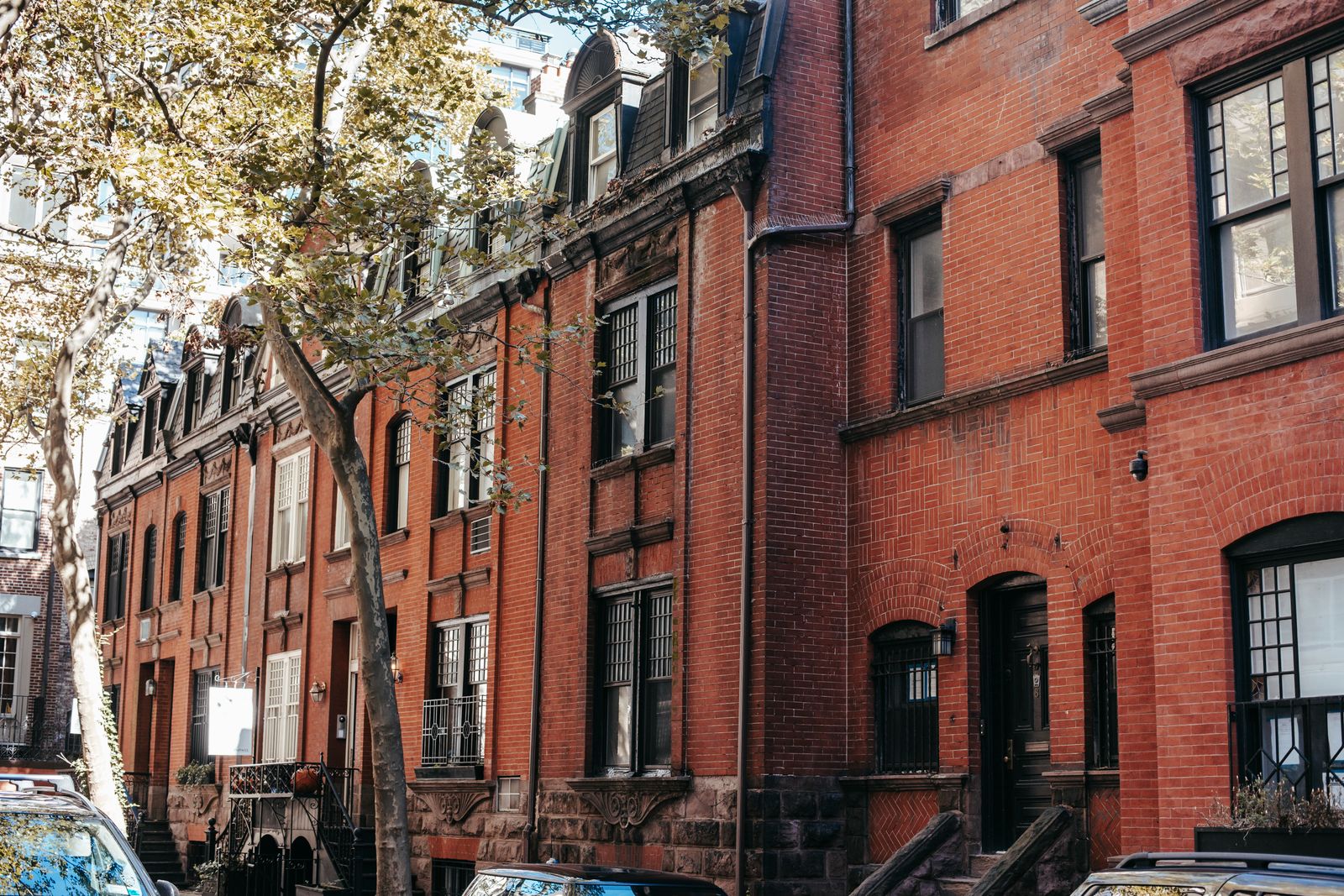
A Brooklyn townhouse with dated finishes and a worn-out kitchen can be a very different purchase from one with a failing roof, a damp cellar, or a legal configuration that does not match how the house is actually used. The first is mostly a cosmetic project. The second can change what you should be willing to pay, or whether you should buy at all. This guide walks through what to evaluate before you make an offer on a Brooklyn townhouse that needs renovation, and when to bring in qualified professionals.
Key takeaways
- Separate cosmetic work (paint, floors, kitchens, baths) from condition issues (structure, roof, water, electrical, plumbing, heating). Condition issues drive risk and cost.
- Confirm the legal configuration and records before you fall in love with the layout. What the house is legally allowed to be matters as much as what it looks like.
- Get contractor input and, where warranted, an engineer's opinion before you commit, not after.
- Build what you learn into your offer. Condition is a pricing and negotiation input, not an afterthought.
- Know your walk-away points in advance.
Cosmetic work versus condition
Brooklyn brownstones and townhouses are often priced with renovation in mind, and a dated interior can be a genuine opportunity. The skill is telling cosmetic work apart from problems that sit behind the finishes. New floors, paint, fixtures, and even a full kitchen and bath renovation are largely a matter of budget and taste. Water damage, sagging floors, cracked masonry, and outdated building systems are different: they affect safety, financing, insurance, and the true scope of the project.
When you walk a property, note what you see, but also note what you cannot see. Fresh paint over a ceiling stain, a new floor over uneven framing, or a recent cosmetic refresh can hide the underlying issue. Treat anything you are unsure about as a question to be answered by a qualified professional rather than an assumption.
Structure and foundation
Many Brooklyn townhouses are a century old or more, with masonry party walls, wood-framed floors, and original foundations. Things worth noting on a visit include:
- Visible cracking in facade or interior masonry, especially stair-step cracks or cracks that appear to be widening
- Floors that slope, bounce, or feel uneven
- Doors and windows that stick or no longer sit square in their frames
- Bowing or bulging walls, or noticeable separation between walls and ceilings
- Signs of past structural work, and whether there is paperwork behind it
None of these automatically means a serious problem, and older buildings settle. But they are exactly the kind of observations that should prompt a structural evaluation. If you see signs of movement, this is a situation where a licensed professional engineer is the right person to assess the building, not a real estate agent.
Roof
Ask how old the roof is, who installed it, and whether there is any warranty or documentation. Look for ceiling staining on the top floor, signs of past leaks around skylights, bulkheads, and chimneys, and evidence of patching. Flat roofs are common on townhouses and their drainage, flashing, and parapet condition matter. A roof replacement is a significant cost, so a contractor's or roofer's assessment is worth having before you finalize an offer.
Electrical
Older townhouses may have original or partially updated wiring, undersized service, or a patchwork of upgrades from different eras. Questions to ask:
- What is the electrical service size, and was it upgraded?
- Is there visible knob-and-tube or older cloth-insulated wiring anywhere?
- Is the panel up to date, and are circuits properly labeled?
- Was electrical work done under permit, and by a licensed electrician?
A licensed electrician can tell you what is present and what an update would involve. This is not something to guess at from a walkthrough.
Plumbing
Look at the age and material of supply and drain lines where visible, water pressure, and any history of leaks. In older homes, the main sewer line, the connection to the street, and cast-iron or older drain lines can be significant issues. A licensed plumber can perform a camera inspection of the sewer line, which can reveal problems that are not visible from above ground. Ask about past leaks, repairs, and any water damage in ceilings, walls, or the cellar.
Heating and mechanical systems
Heating type, age, and condition matter in a Brooklyn townhouse. Ask about the boiler or furnace age, fuel type, and service history, whether the home has central air or separate systems, and the condition of the hot water heater. A system near the end of its life is not necessarily a reason to walk away, but it is a cost you should price into the deal. A licensed HVAC or heating professional can evaluate what you have and what a replacement would involve.
Windows and exterior
Windows, the facade, the stoop, and the cornice are not only cosmetic. Failing windows affect energy costs and comfort. Facade condition, including pointing, brick or brownstone deterioration, and stoop condition, can be costly to repair and in some cases is regulated. Look at the front and rear of the building, and note any visible deterioration, water staining, or prior patching. A mason or facade specialist can speak to the scope of exterior work.
Basement and cellar conditions
Cellars and garden levels deserve extra attention. Look for water staining, efflorescence (white mineral deposits on masonry), musty odors, sump pumps, and evidence of past flooding. Ask whether the lower level has ever taken on water, how it is waterproofed, and whether any work was permitted. Also confirm whether the lower level is legal living space or storage. The condition of the cellar often tells you a great deal about how the whole building handles water.
Legal configuration and property records
This is where many buyers get surprised. A townhouse may be used as a different number of units than it is legally permitted to be. Before you assume you can use the house the way it is laid out, review:
- The Certificate of Occupancy and what it permits
- The number of legal units and how the house is currently being used
- Open permits, violations, or work done without permits
- Property records available through the NYC Department of Buildings (DOB) and related city records
Your attorney should review these items as part of due diligence, and The Castle Team can help you understand which questions to ask and which records to request. A mismatch between legal and actual use can affect financing, insurance, taxes, and resale, so it should be part of how you value the house.
Landmark considerations
Parts of Brooklyn sit within designated historic districts, and a landmarked property is subject to review for certain exterior work. If a house is in a historic district, changes to the facade, windows, stoop, or visible rooftop additions may require approval, which can affect scope, cost, and timeline. Confirm whether a property is landmarked before you plan a renovation, and factor review requirements into your schedule and budget. An architect or expeditor familiar with landmark review can advise on what a specific plan would require.
Estimating the likely renovation scope
Before you make an offer, form a realistic picture of what the house needs. A useful way to do this is to sort the work into three groups:
- Must do now: safety, water, structural, and building-system items that cannot wait
- Should do soon: items that will be needed within a few years, like an aging boiler or windows
- Nice to have: cosmetic and layout changes you would like to make over time
This framework helps you decide what price makes sense and how much cash you will realistically need after closing. It also makes conversations with contractors more productive.
Getting contractor estimates
Walk the property with one or more reputable, licensed contractors before you commit, if the seller allows access. Ask them to separate their estimate by scope so you can see what each group of work involves. Treat early numbers as rough ranges, not guarantees. Renovation costs depend on what is discovered once walls are open, on materials, on permits, and on timing. Do not rely on any single figure as a promise, and keep a contingency in your budget for surprises.
Inspections, and when an engineer may be appropriate
A professional home inspection is a standard part of due diligence on any purchase, and it is especially important on an older townhouse that needs work. An inspector will look at visible conditions across the property. When the inspection, or your own observations, point to something deeper, such as cracking, movement, bowing walls, or significant water intrusion, a licensed professional engineer is the right person to evaluate the structure. Specialists such as electricians, plumbers, roofers, and masons can address their own areas.
The Castle Team does not perform inspections. Our role is to help you decide which questions to ask, which professionals to involve, and how to use what they find.
Building condition into your offer strategy
Condition belongs in your pricing and your terms. Depending on the property and the market, that can mean:
- Adjusting your offer to reflect likely renovation costs and risk
- Making your offer contingent on inspection and attorney review, where the situation and the contract allow
- Requesting access for contractors or an engineer before contract signing
- Negotiating credits or price changes based on documented findings
- Considering how financing, appraisal, and insurance may respond to the property's condition
Every property and every seller is different, and the right approach depends on competition for the house and how much you learn before contract. The goal is to make an offer you understand, with the findings that justify it.
Recognizing issues that may justify walking away
Not every house is the right house. Reasons to pause or walk away can include:
- Evidence of serious or ongoing structural movement without a credible, documented plan
- A legal configuration that does not support your intended use, and no realistic path to fix it
- Significant unpermitted work or unresolved violations that the seller will not address
- Persistent water problems with no clear cause or solution
- Renovation costs that, once estimated, push the all-in price beyond what you are comfortable with
- A seller unwilling to allow reasonable access for professionals
The time to decide what your walk-away points are is before you are emotionally invested in the house.
How The Castle Team helps Brooklyn buyers evaluate renovation potential
David Castle's background in construction and mining gives The Castle Team a practical perspective when helping buyers look at older homes, brownstones, townhouses, and multifamily properties. It helps us notice what is worth a closer look, ask better questions, and think through how condition may affect an offer.
To be clear about roles: David is a licensed real estate salesperson. He is not a licensed home inspector, engineer, or contractor, and nothing here replaces a professional inspection or the advice of qualified specialists. When a property calls for specialist expertise, we help buyers coordinate with appropriate qualified professionals, such as inspectors, engineers, contractors, and attorneys.
If you are considering a Brooklyn townhouse that needs work, start with our Brooklyn market guide and see how we work with buyers. Then talk with The Castle Team about the specific property you are looking at.