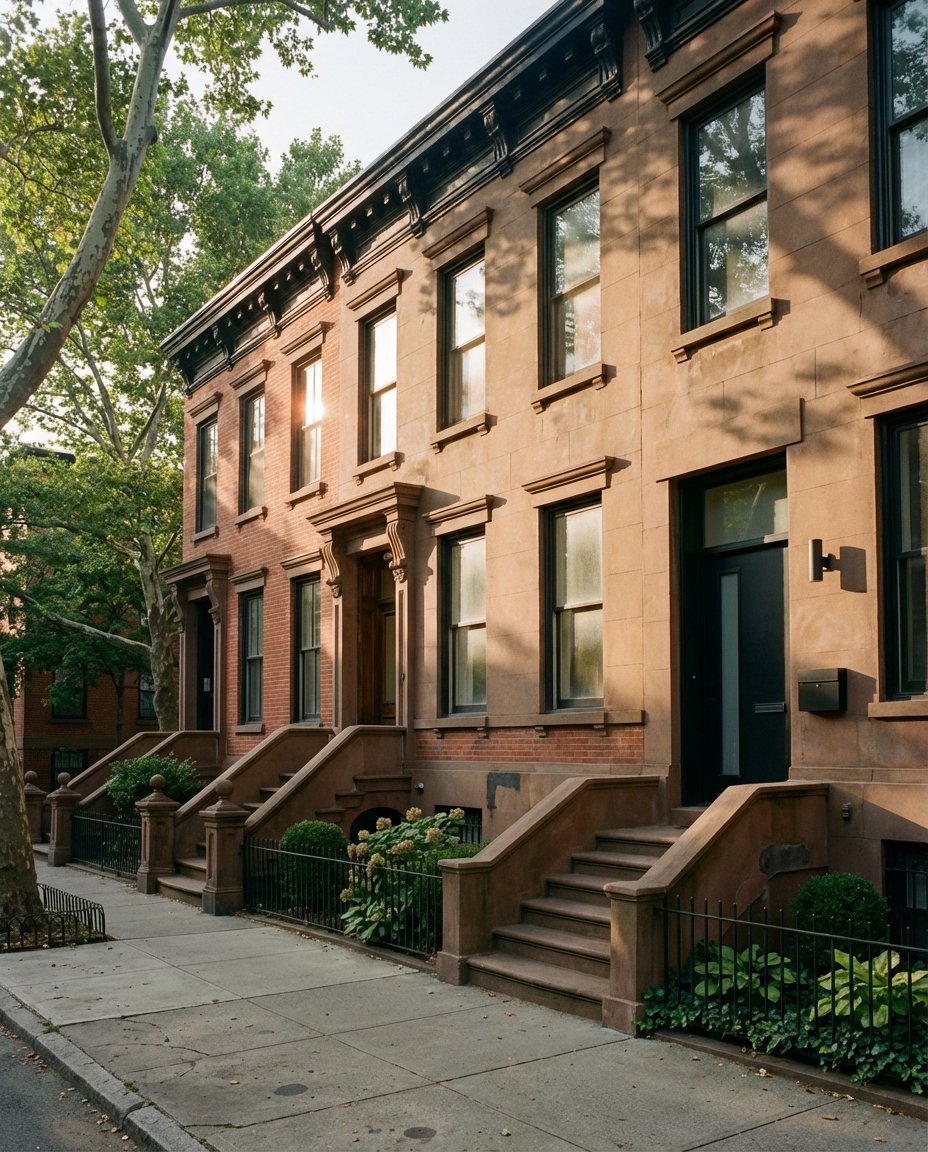
Dreaming of a classic Brooklyn stoop and tall parlor windows? You’re not alone. Brownstones in Bedford-Stuyvesant and Bushwick blend history, texture, and everyday livability in a way few homes can. In this guide, you’ll learn how to read each block, understand true brownstone features, and plan renovations the right way under NYC rules. Let’s dive in.
Brownstone charm: what it means
Brownstone basics: stoops and parlors
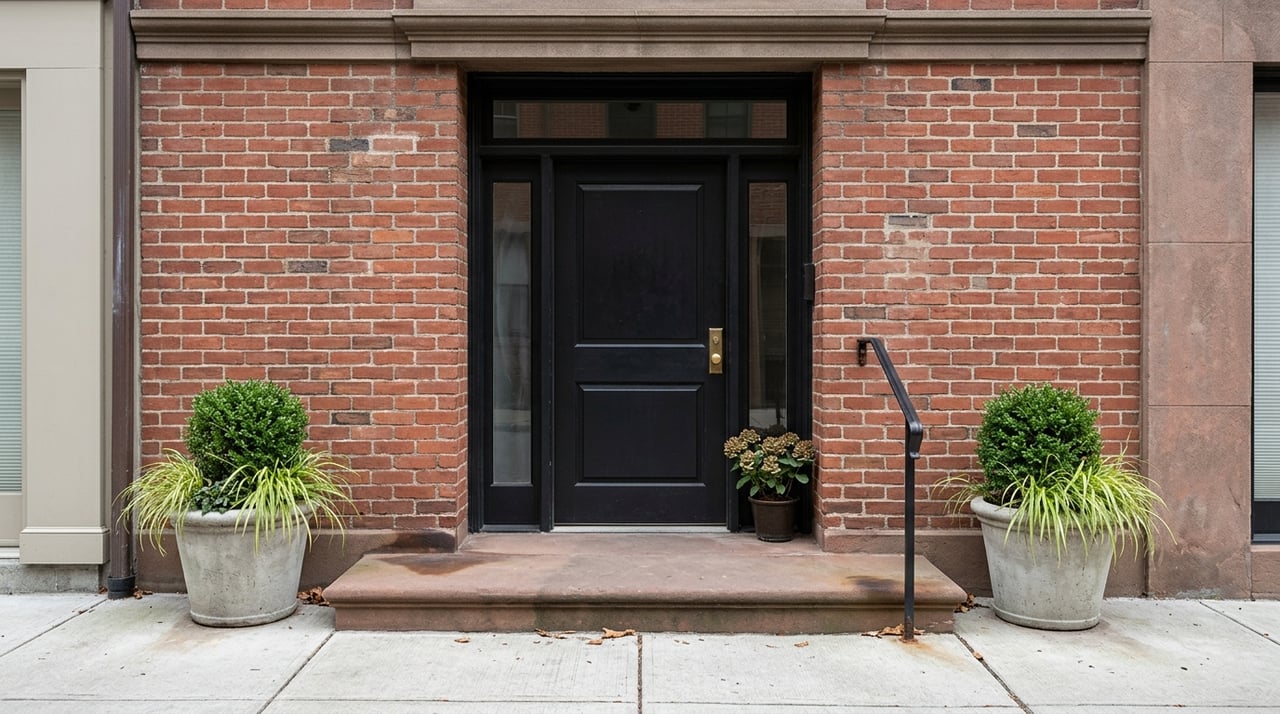
A brownstone is a masonry rowhouse with a brown sandstone look, often with an elevated stoop, a parlor floor with tall ceilings, and a narrow, vertical layout. Many include bay windows, decorative cornices, and a garden or basement level that connects to the yard. For local definitions and features, see this clear overview of what makes a brownstone a townhouse in NYC context from PropertyClub’s guide to brownstones and townhouses.
Townhouse vs. rowhouse terms
Locally, buyers often say “brownstone” to describe the classic stooped townhouse form. “Townhouse” can suggest a single-family layout after renovations, while “rowhouse” points to the continuous block of attached homes. Many brownstones are both townhouses and rowhouses by form.
Bed-Stuy vs. Bushwick blocks
Bed-Stuy: landmarked rows and rhythm
Bedford-Stuyvesant holds some of Brooklyn’s most continuous late 19th-century rows of brownstones. Multiple historic districts protect the consistent cornice lines, stoops, and masonry details that define the area’s look. City designation materials describe how these preserved streets create the signature streetscape many buyers want. To understand why block character matters here, review the NYC designation reports for Bed-Stuy’s historic districts.
Bushwick: lofts and rowhouses together
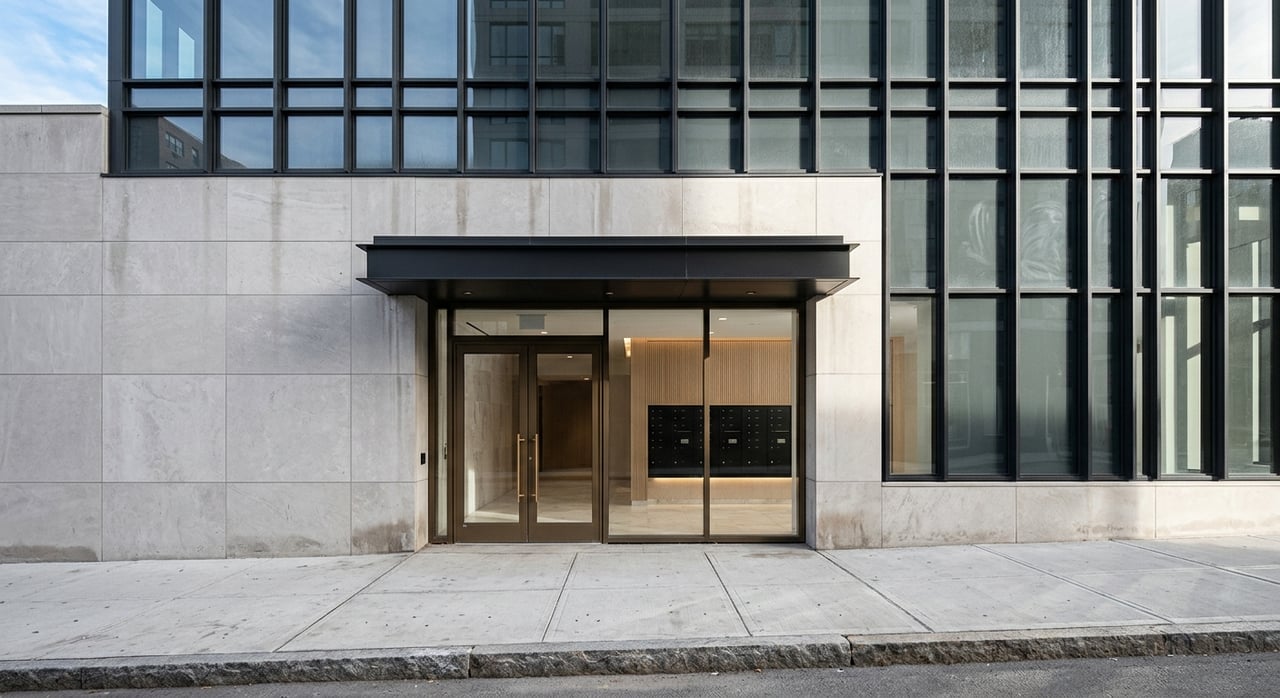
Bushwick mixes intact late 19th-century rowhouse blocks with former industrial corridors. You’ll see classic houses on some streets, plus loft-style residences from old warehouses nearby. The first local historic district on Linden Street highlights this shift toward preservation on select blocks. Learn more in the LPC press release on the Linden Street Historic District.
What to expect inside a townhouse
- Parlor floor: often the main living and entertaining level with tall ceilings and generous windows.
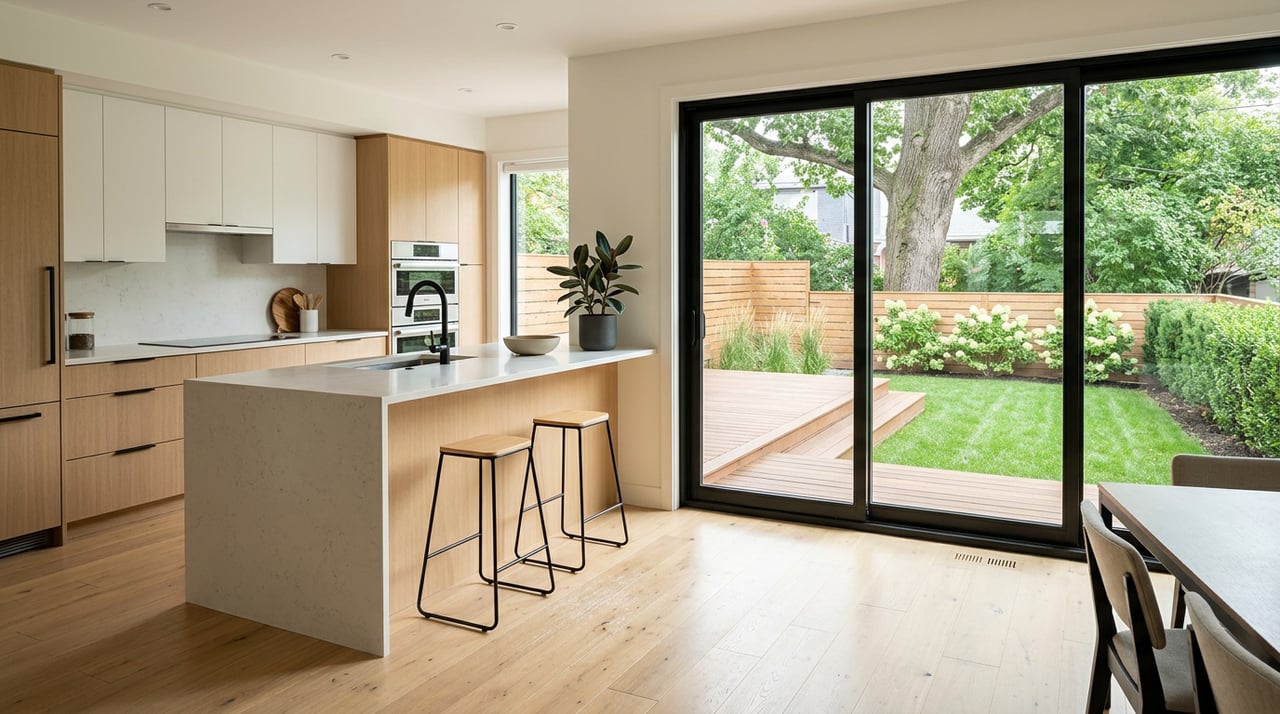
- Garden level: kitchen or casual living with direct yard access in many layouts.
- Upper floors: bedrooms and baths, sometimes with a top-floor primary suite or office under the eaves.
- Vertical circulation: narrower widths mean stacked rooms and stairs between levels, which shapes everyday living.
Renovation and rules you should know
Landmark districts: LPC approvals
If a property is inside a city-designated historic district or individually landmarked, exterior changes need Landmarks Preservation Commission review. The LPC issues different approvals based on the scope. Expect extra design time and permitting steps for visible changes like façade work or rooftop additions. See how the permits work on the city’s page for performing work on a landmarked property.
Interiors and permits: DOB and BIS
Even when a building is not landmarked, structural changes, new layouts, and most plumbing or electrical work require Department of Buildings permits. Before you make plans, check the DOB Building Information System for open permits, violations, and the Certificate of Occupancy. Start with the DOB Building Information Search.
Lofts: legal status matters
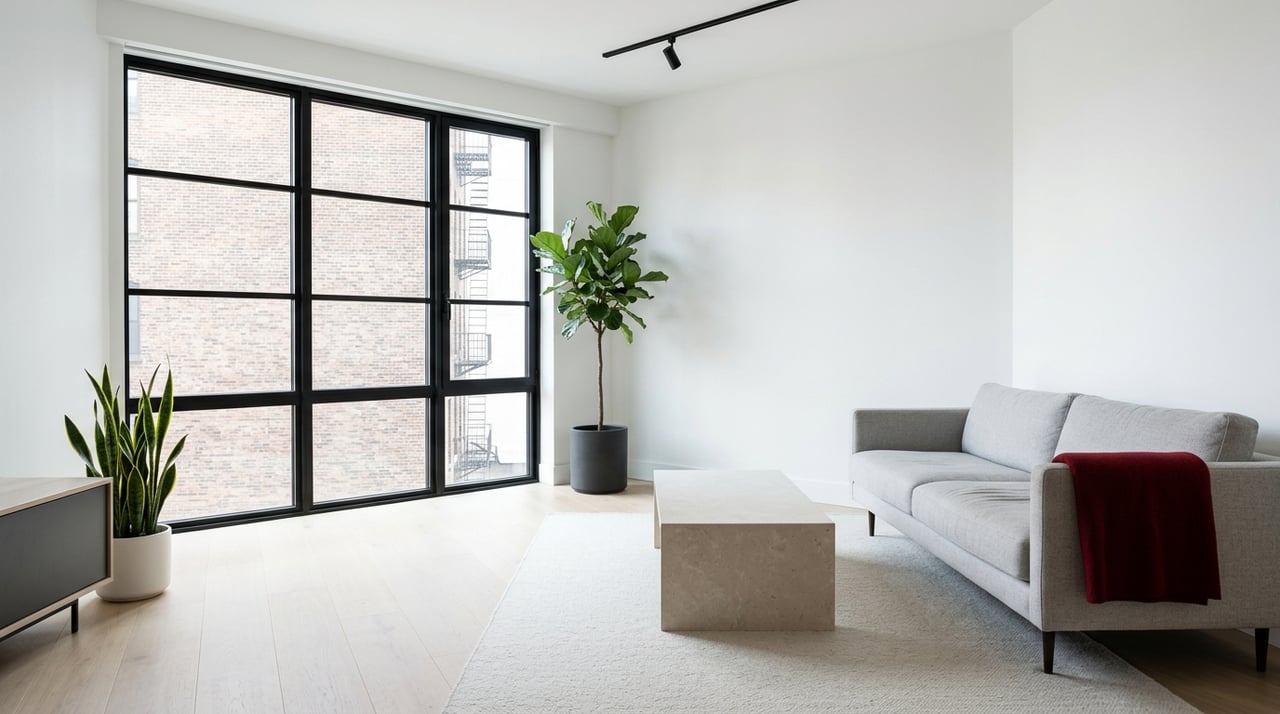
Bushwick’s converted lofts offer open plans, high ceilings, and industrial windows. But the legal picture varies. Some buildings are formalized under the state Loft Law and the NYC Loft Board, while others are not. Legalization affects renovation options and resale. Ask if a unit is legalized and whether it has a valid residential Certificate of Occupancy. Learn the basics from the NYC Loft Board’s Loft Law overview.
Maintenance and inspections to budget
Brownstone façade care and masonry
Original brownstone is a sandstone that weathers over time. Owners often plan for repointing, stoop repairs, and moisture control at the garden or cellar level. Restorations can be specialized due to historic materials and detailing. For background on why brownstone surfaces age the way they do, see this primer on brownstone weathering and repairs.
Buyer due diligence checklist
Use this quick list early in your process:
- Landmark status: confirm the address on the LPC application and hearing resources page. Status affects exterior work and timelines.
- DOB/BIS: review open or unclosed permits, violations, and the current C of O in the DOB Building Information Search.
- ACRIS/title: pull the public record of deeds, mortgages, and liens via ACRIS.
- Lofts only: check Loft Board registration or IMD status using the NYC Loft Board resources.
- Inspections: focus on façade, roof, cellar moisture, and any past work without permits. Save documentation of closed permits and approvals for a smoother sale or refi.
Value drivers on these blocks
Preservation and long-term appeal
Research shows historic district designation can boost property values in many outer-borough contexts, while limiting some redevelopment options. The stability of a protected streetscape often supports long-term demand for classic rows. For a high-level look at preservation’s market impact, review this NBER working paper on landmarking and values.
Income potential and legal clarity
A legal multi-family townhouse or a properly legalized loft can offer rental income. The key is documentation: leases, current C of O, and, for lofts, Loft Board or legalization status. Clear records reduce risk, support financing, and help protect long-term value.
Buying or selling strategy with a pro
Working with a team that understands both construction and compliance can save you time and money.
- Pre-offer diligence: we review DOB/BIS, landmark status, and recorded documents to flag risks early.
- Renovation planning: we translate LPC and DOB steps into a clear timeline and connect you with experienced pros.
- Structural and systems insight: construction-informed guidance helps you price repairs and focus on high-ROI updates.
- Cinematic listing marketing: when selling, premium visuals and distribution help your property stand out on historic blocks and mixed streets alike.
Looking at a brownstone or loft in Bed-Stuy or Bushwick? Let’s map your path from first tour to closing. Become a Castle Insider — Request Your Free Home Valuation. To get started, reach out to The Castle Team at Keller Williams for a no-pressure consult.
FAQs
What defines a brownstone in Bed-Stuy?
- A brownstone is a masonry rowhouse with a brown sandstone-style façade, elevated stoop, tall parlor-level ceilings, and period details like cornices and bay windows. See PropertyClub’s brownstone guide.
How do I confirm if my Bed-Stuy townhouse is landmarked?
- Search your address using the Landmarks Commission’s resources for applicants and hearings, which link to designation maps and materials. Start here: LPC guidance for applicants.
What permits do I need to renovate a Bushwick brownstone?
- Most interior structural, plumbing, and electrical work needs DOB permits, and exterior changes in a historic district need LPC approvals. Check a building’s status in the DOB Building Information Search and review LPC permit types.
Are Bushwick lofts legal for residential use?
- Some are fully legalized under the Loft Law, others are in process, and some may be noncompliant. Legal status affects renovations, financing, and resale. Review the NYC Loft Board’s Loft Law overview and confirm the C of O.
Does buying inside a historic district affect value in Bed-Stuy?
- Preservation can support values by protecting streetscape character while adding approval steps for exterior work. See the NBER paper on landmarking and values for a research-based overview.
What maintenance should I expect on a brownstone façade?
- Plan for periodic masonry repointing, stoop and ironwork repairs, and moisture management at the garden or cellar level. Learn why sandstone weathers in this brownstone repair primer.
What documents should I review before I buy?
- Confirm landmark status with the LPC resources, check permits and violations in DOB BIS, and pull recorded deeds and liens via ACRIS.