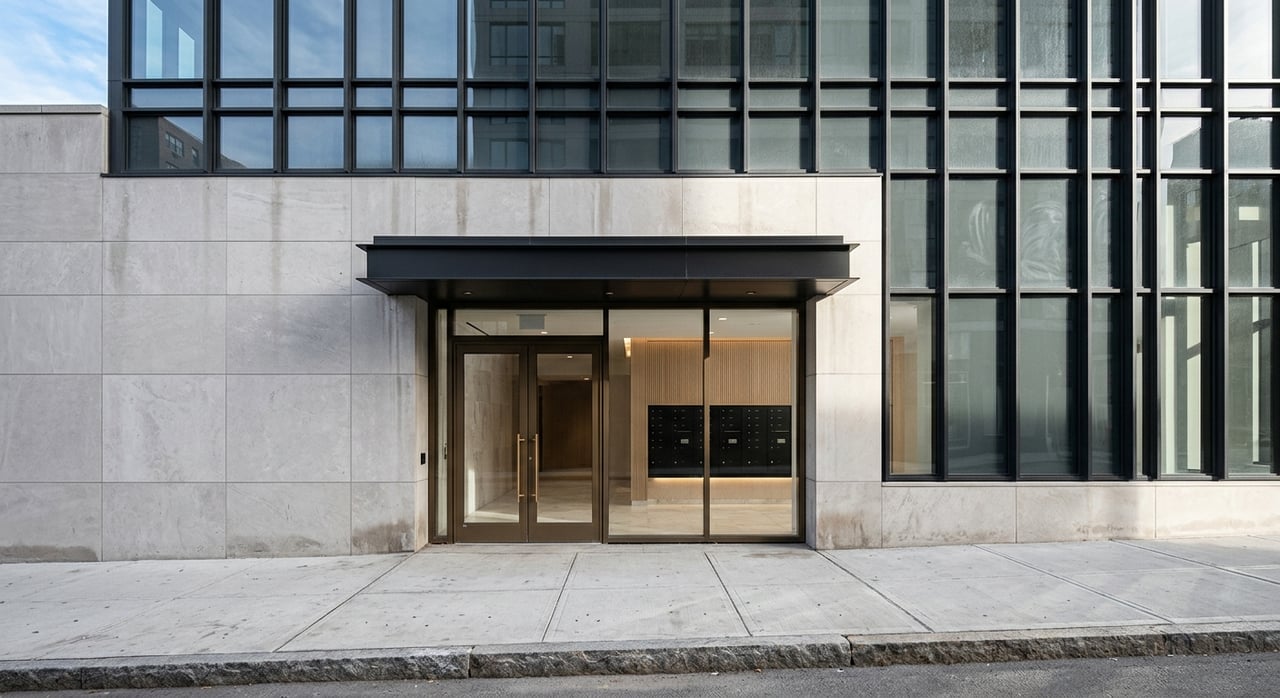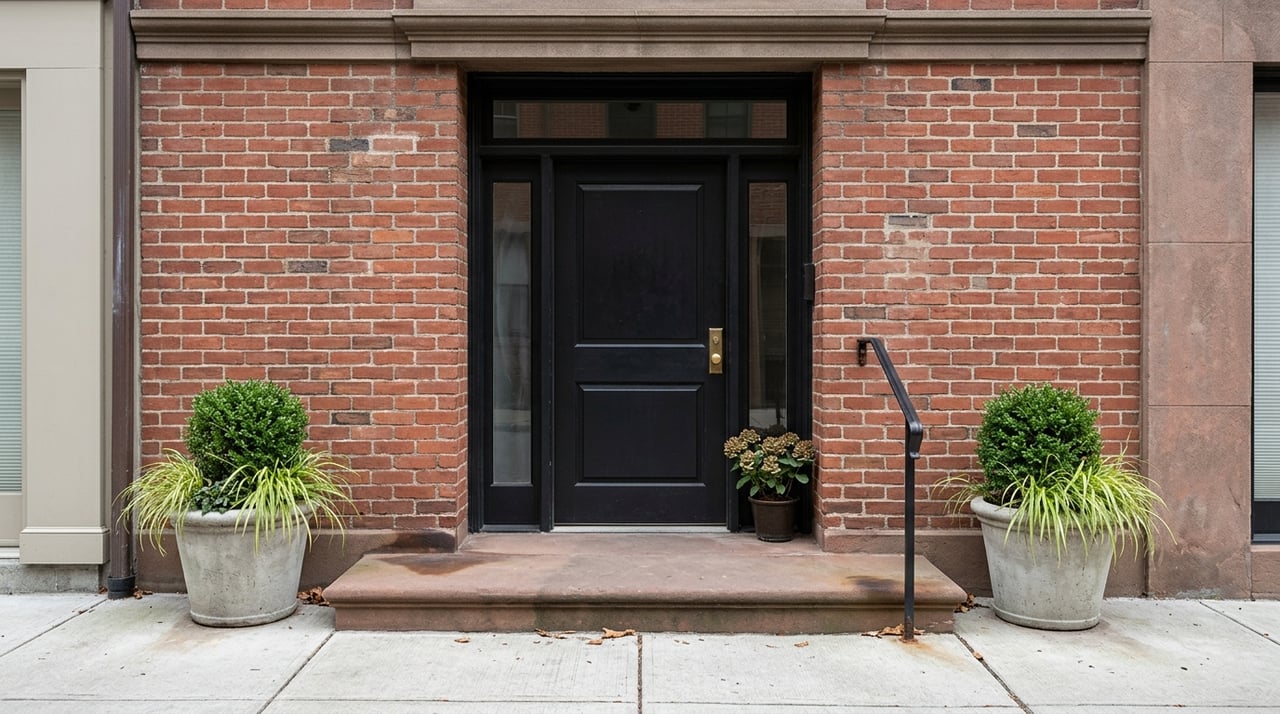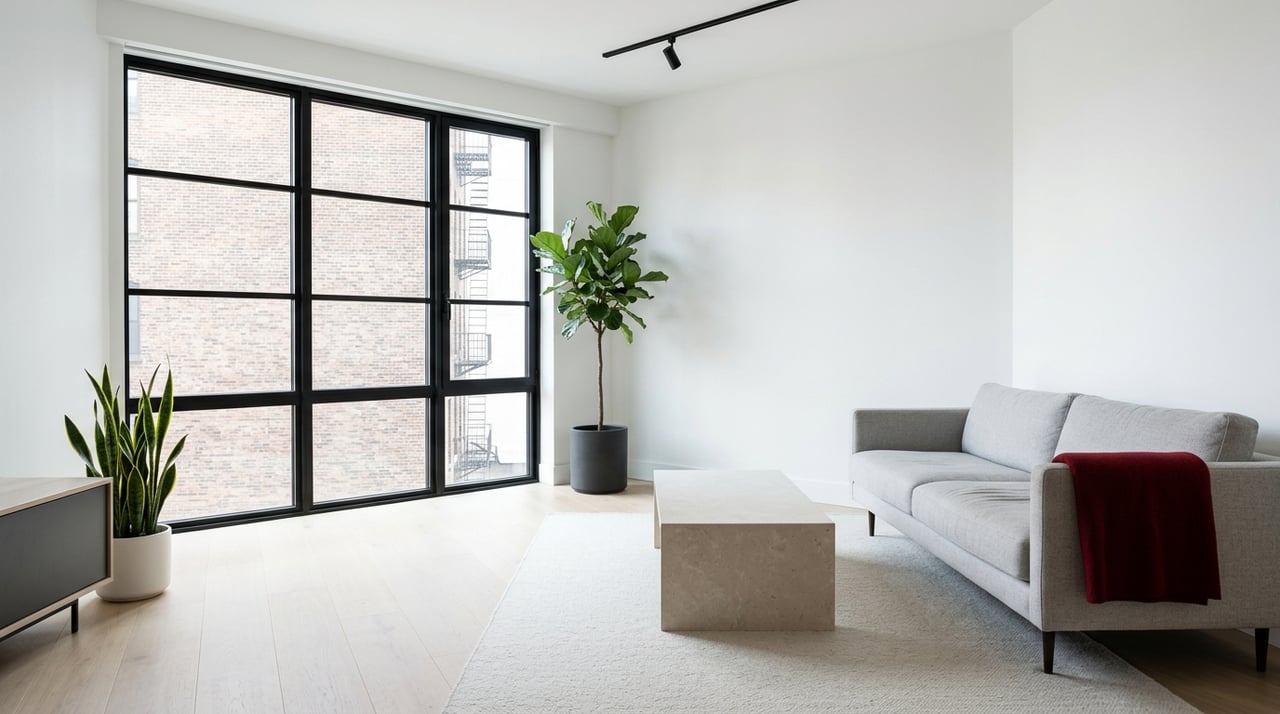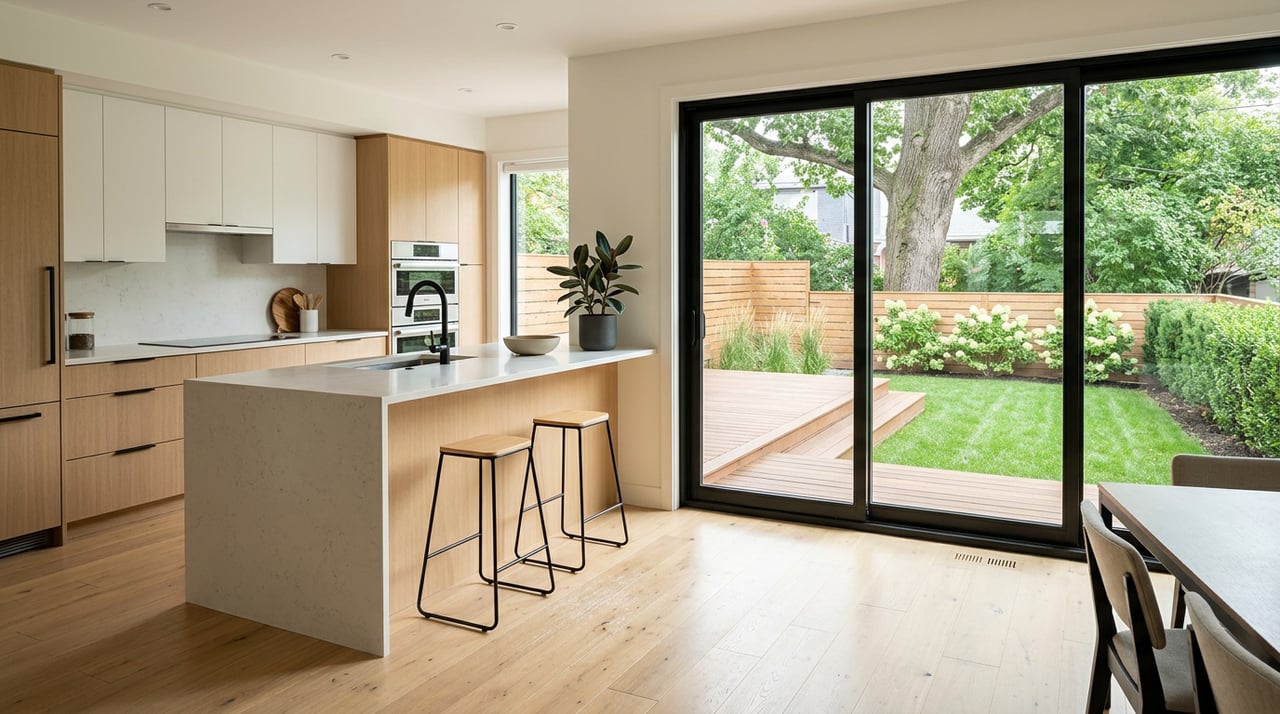
Are you renting in the city and wondering if a first home in Nassau County is within reach? You’re not alone. Many first-time buyers look to Long Island for a bit more space, a yard, and a straightforward commute. In this guide, you’ll see what a starter home looks like here, where buyers shop, what inspections to plan for, and how to budget for taxes and renovations. Let’s dive in.
What a “starter home” means in Nassau County
Nassau County prices sit well above national averages. As of January 2026, the typical home value is about $815,540, according to the county’s index on Zillow. You’ll also see Redfin report a median sale price around $820,000 in January 2026. These numbers reflect a wide range across towns and neighborhoods.
In this market, a “starter” often means one of three paths:
- A condo or co-op near a village center or LIRR station.
- A smaller single-family home, often post-war, that may need updates.
- A home in a town a little farther from the express train or coastline to save on price.
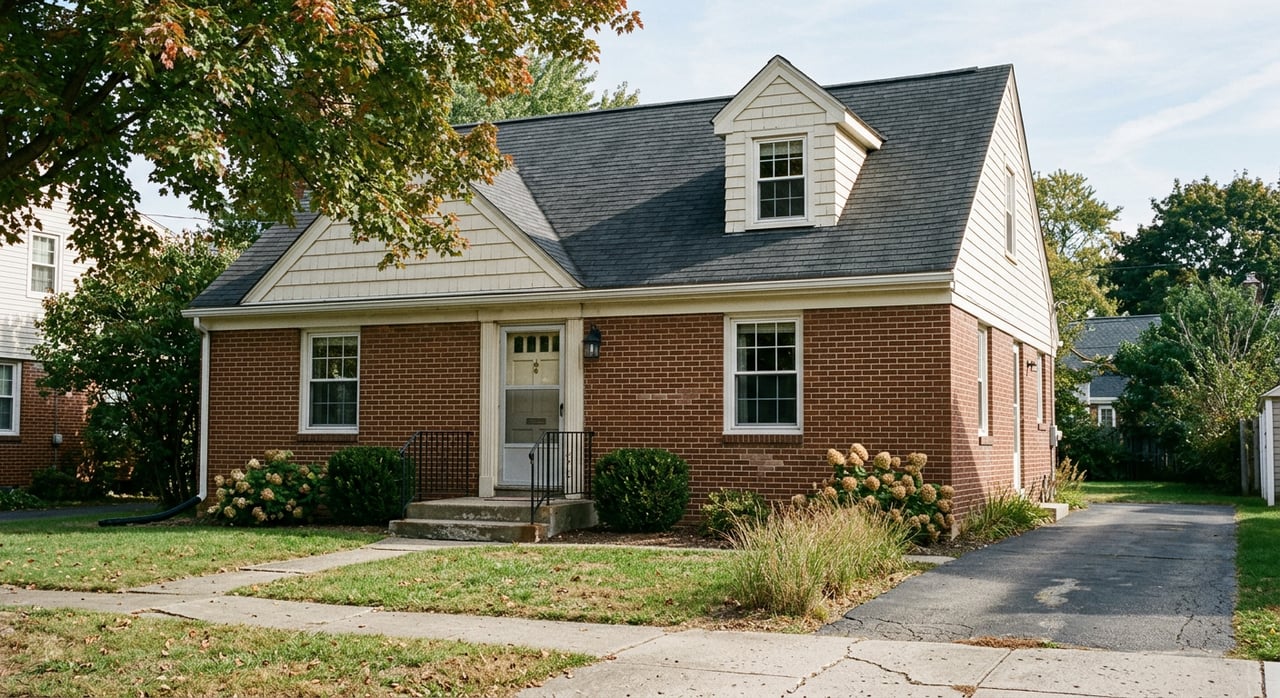
You’ll find everything from compact capes and ranches to split-levels, plus attached options like co-ops and condos. The key is matching your budget to the right home type and location.
Price bands and where to look
Starter budgets vary by home type and town. Use these ranges as a practical starting point, then confirm live data before you write an offer.
Condos and co-ops
- Rough range: about $250,000 to $500,000 for many entry-level options, with price and HOA fees varying by building and school district.
- Where: near village centers and LIRR hubs. Units cluster in places like Westbury, Mineola, and along central corridors.
Lower-priced single-family
- Rough range: about $500,000 to $750,000 in many South Shore and central towns.
- Example: Levittown is a classic starter market with a January 2026 typical home value around $705,000 on Zillow. Freeport and Baldwin often come in below the county median for buyers who value value over larger lot sizes or proximity to express branches.
Mid-range starter single-family
- Rough range: about $750,000 to $1.1M for larger older homes or locations with frequent LIRR service.
- Examples include Hicksville, parts of Valley Stream and Lynbrook, and some Massapequa areas. Medians have hovered in the mid- to upper-700s for central towns, depending on date and neighborhood.
Note: North Shore villages such as Manhasset, Roslyn, and Great Neck often price well above typical starter ranges. Many first-time buyers treat these as long-term goals rather than first stops.
Commute, lots, and utilities at a glance
Commute timelines
If you’re moving from the city, the LIRR is likely part of your daily life. Depending on branch and station, express runs from central Nassau to Midtown can be about 25 to 45 minutes. Local trains or transfers add time, so check schedules for your specific station.
Lot sizes and zoning
Many Nassau post-war neighborhoods sit on modest lots that feel very different from a city condo but smaller than large suburban parcels. In several residential zones, typical lots are roughly 40 to 60 feet wide by 80 to 100 feet deep, or about 3,200 to 6,000 square feet. Some districts require 8,000 square feet or more. Local village and town codes set the rules, so always verify a property’s exact zoning and setbacks before planning extensions or additions.
Sewers vs. septic
Most Nassau homes connect to public sewers, which simplifies many renovation choices compared to much of Suffolk County where cesspools or septic are common. If you’re comparing counties, this difference can affect plumbing plans, permit steps, and long-term maintenance.
What to expect inside a Nassau starter
Many first-time buyers tour post-war single-family homes built from the 1940s through the 1960s. Expect capes, ranches, raised ranches, and split-levels in the 1,000 to 1,800 square foot range, often with basements. These homes are durable and well-loved, and they can shine with targeted updates. Plan on assessing roofs, windows, older mechanicals, and kitchens and baths that may date back years.
Inspections that protect your budget
Older homes can be great investments when you lead with inspection. At minimum, plan these checks during your contingency period:
- General home inspection. Get a full systems and structure review, and attend if possible so you can see issues firsthand.
- Pest and termite inspection. Wood-framed houses near the coast or with mulch landscaping can need extra attention.
- Sewer-line camera. Older laterals can have root intrusion or clay-pipe failure. A scope can save you from a surprise dig-up.
- Oil tank sweep. If the home used oil heat historically, confirm there is no underground storage tank on site.
- Lead-safe planning. For homes built before 1978, assume potential lead-based paint. If you renovate, contractors must follow EPA lead-safe rules. Enforcement actions have taken place on Long Island, so use certified pros.
- Radon testing. Short-term tests are quick and provide peace of mind.
If issues arise, you can negotiate repairs or credits, or adjust your offer strategy. Our team pairs inspection findings with cost and timeline guidance so you know which fixes are urgent and which can wait.
Common repairs and real costs
Budgeting early helps you buy with confidence. On Long Island, here are typical ranges for common projects on starter homes:
- Roof replacement. Asphalt shingle tear-off and replacement often runs about $8,000 to $18,000 for simple roofs, more for complex shapes or premium materials.
- Windows and envelope. Many older homes have single-pane or failing windows. Replacements often fall around $500 to $1,200 per window installed, depending on size and material. Whole-house upgrades can add comfort and reduce energy use.
- HVAC updates. Replacing an older furnace and AC can range from roughly $6,000 to $18,000 depending on size and fuel. If you convert from oil to gas or electric heat pump, plan for added scope and permitting.
- Kitchens and baths. Bathroom remodels often land in the mid five figures depending on size and finishes. Kitchen budgets vary widely based on layout changes and cabinet quality. Plan carefully and get two to three written quotes.
Prioritize in this order:
- Safety and structure. Foundation movement, active leaks, electrical hazards, or oil-tank risks come first.
- Weather protection. Roof, flashing, gutters, siding, and window seals to stop ongoing damage.
- Mechanical reliability. Furnace, AC, water heater, and panel upgrades as needed.
- Plumbing and sewer repairs. Fix lines or laterals before finishing surfaces.
- Kitchens, baths, and cosmetics. Finish the fun parts once the home is dry and sound.
Permits and lead-safe practices matter. If you disturb pre-1978 paint, use an EPA-certified contractor and keep documentation for future buyers.
Budgeting, mortgages, and taxes
Down payment help
Many first-time buyers combine low-down-payment loans with assistance. SONYMA programs and county-level aid in Nassau sometimes offer down payment or closing cost help, with some programs historically reaching up to around $25,000 for eligible buyers. Program amounts, income limits, and availability change by year, so check current details and talk with a local lender early.
Monthly costs and property taxes
Nassau County property taxes are a major part of your monthly picture. Aggregated data show an effective tax rate around 2 percent and median annual bills in the low five figures for median-valued homes. A quick example: at 2 percent, a $600,000 home implies about $12,000 per year before exemptions. Always review the actual tax history for a specific property and ask your lender to include taxes and insurance in your payment estimate.
Closing costs and transfer taxes
In New York, buyers and sellers each have closing fees. Buyers typically pay lender fees, title insurance, recording charges, prepaids, and their attorney. New York State also imposes a transfer tax often calculated at 0.4 percent. If your purchase price is $1,000,000 or more, the state’s mansion tax applies on a sliding scale and becomes a clear line item to plan for. Your attorney will confirm the exact amounts for your contract.
A first-time buyer game plan
Use this simple plan to move from idea to keys in hand.
- Set your target. Decide condo or co-op vs. single-family. This shapes your down payment, taxes, and closing costs.
- Get preapproved. Ask your lender for a payment that includes taxes, HOA fees, and insurance so you see the full monthly picture.
- Tour towns with intention. Balance price, commute, and housing type. Levittown, Freeport, Baldwin, Hicksville, Valley Stream, and Lynbrook are common starting points for first-time buyers.
- Inspect right. Plan for a general inspection, pest check, and sewer scope. Add an oil-tank sweep for older oil-heat homes and lead-safe planning for any pre-1978 property.
- Budget for the first 2 to 3 years. Roof, HVAC, windows, and a bathroom refresh are common early projects. Build a cushion.
- Verify permits and timelines. Contractors can book out for weeks, and permit reviews add time. Get written scopes, pricing, and start dates before you commit.
- Negotiate with data. Use inspection findings and verified market comps to target fair credits or repairs.
When you want inspection-led advice and calm, clear guidance, our team is here to help.
Ready to find your starter in Nassau?
If you want a practical plan for neighborhoods, inspections, and budgets, you’re in the right place. We combine hands-on construction insight with careful negotiation to help you buy confidently and avoid surprises. Start a conversation with The Castle Team at Keller Williams today.
FAQs
What is the typical price of a starter home in Nassau County?
- As of January 2026, county-level medians are in the low $800,000s, but first-time buyers often target condos or smaller single-family homes that can list from the mid-$200,000s to the $700,000s depending on town and home type.
Which Nassau towns are popular with first-time buyers?
- Buyers often start in Levittown, Freeport, Baldwin, Hicksville, Valley Stream, Lynbrook, Mineola, and Westbury based on price and commute preferences. Always compare live medians by town and date.
How long is the LIRR commute from central Nassau to Midtown?
- Express runs from central Nassau can be about 25 to 45 minutes to Midtown. Local trains and transfers add time, so check your specific branch and schedule.
What inspections should I schedule for an older Nassau home?
- Plan for a general inspection, pest and termite check, sewer-line camera, and oil-tank sweep if the home used oil heat. For homes built before 1978, follow EPA lead-safe rules during renovation.
What renovation costs should I expect in the first few years?
- Typical ranges include about $8,000 to $18,000 for a roof, $500 to $1,200 per window installed, and five-figure budgets for bathrooms and kitchens depending on scope and finishes.
How high are property taxes in Nassau County?
- Aggregated data show an effective tax rate around 2 percent. On a $600,000 home, that implies about $12,000 per year before exemptions. Always verify the actual tax bill for each property.
Are there down payment assistance options for first-time buyers?
- Yes. Programs like SONYMA and county support in Nassau may offer down payment or closing cost assistance for eligible buyers. Availability, limits, and rules change, so confirm current details with your lender and attorney.