What is your Nassau County home really worth right now? If you are weighing a spring listing, you are not alone, and timing, condition, and local demand all work together to set your price. You want a clear, realistic number so you can plan your next move with confidence. In this guide, you will learn how comps, updates, and presentation shape value in Nassau County, plus how to choose a pricing strategy that fits your goals. Let’s dive in.
What drives Nassau County value
Nassau County is a local market, and micro-differences matter. Pricing shifts with inventory, mortgage rates, property taxes, commute options, and even lot sizes and zoning. In recent years, buyer demand surged in 2020–2021, cooled in 2022 as rates rose, then stabilized with tighter inventory in many areas in 2023–2024. Different neighborhoods and school districts often move at different speeds, so you want to focus on hyperlocal data.
Seasonal timing also plays a role. Spring brings the most buyers, which can help pricing, but it also adds more competing listings. If you list just before spring, you may capture early demand while facing fewer rivals. Your price and presentation still need to be competitive to win attention.
If you want to track trends, the primary sources for local sales data are the regional MLS and Realtor associations. You can review regional research from the National Association of Realtors, and you can reference broader metro-level trends through the S&P CoreLogic Case-Shiller Home Price Index. For neighborhood-level comps, OneKey MLS is the core dataset for Long Island brokers and agents, and a good starting point is OneKey MLS.
How comps set your price
Comparable sales show what buyers actually paid for similar homes nearby. A strong set of comps gives you the foundation for list price decisions and negotiation.
Select the right comps
Start close to home. In Nassau County, use the same village or town when possible, and match by school district because boundaries can influence buyer demand and pricing. Aim for closed sales from the last 3 to 6 months. If sales are sparse, you can look back 9 to 12 months, but prioritize the most recent 90 days when the market is moving.
Match property type and key features. Compare single-family to single-family, condo to condo, or co-op to co-op. Keep bedroom and bathroom counts, square footage, lot size, age, and style as similar as possible. Flag functional differences such as a finished basement, garage capacity, pool, or waterfront access.
Make smart adjustments
No two homes are identical, so you will need adjustments. Price per square foot is a baseline, but you should also account for the number of beds and baths, a finished versus unfinished basement, lot characteristics, new roof or HVAC, and overall condition. Waterfront lots often command notable premiums, while flood risk and insurance costs can pull values in the other direction.
If you lack recent closed sales, consider pending contracts to sense current pricing, and review active listings to see your competition. Expired listings can signal where buyers resisted certain price points. When in doubt, blend MLS data with public records and multiple automated valuation tools to triangulate, then weight the best local comps most heavily.
Condition and renovations that move the needle
Condition is a major variable in Nassau County, especially in popular neighborhoods where move-in ready homes draw strong attention. Buyers respond to updated kitchens and baths, solid systems, and a home that feels well cared for.
High-impact updates
If you plan to invest before listing, focus on projects that typically carry more influence with buyers:
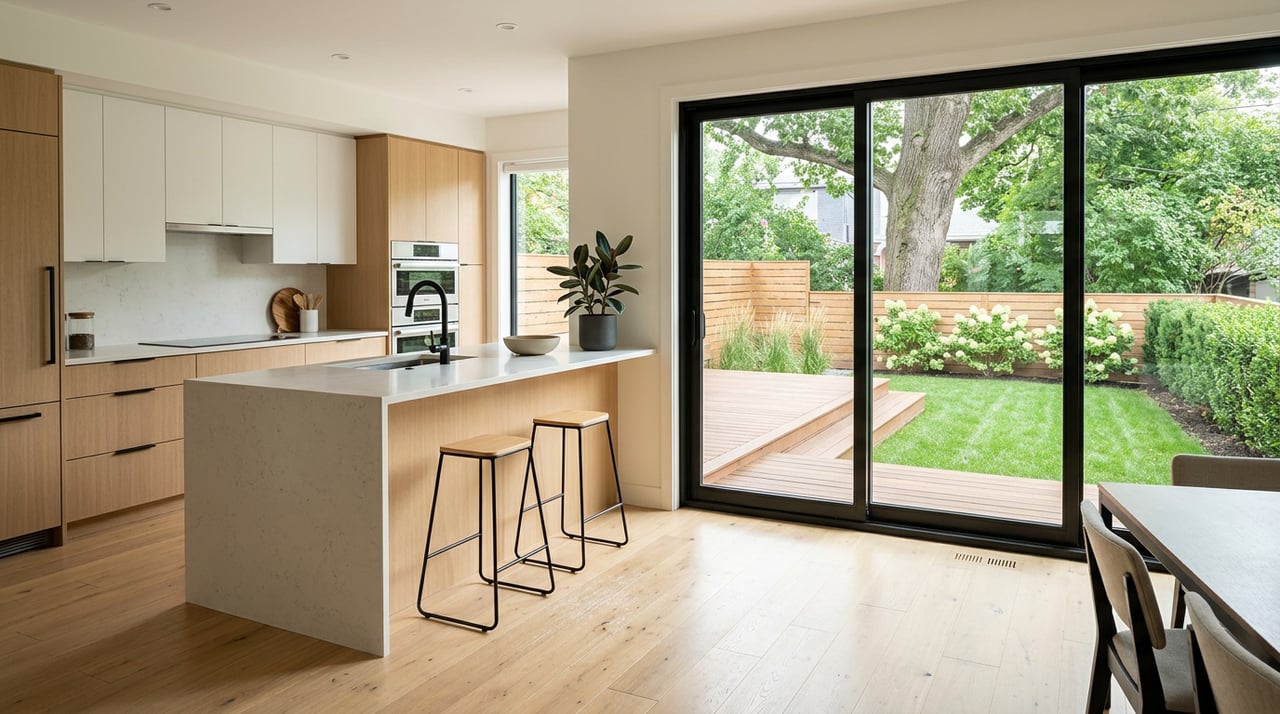
- Kitchens with an efficient layout and modern finishes
- Bathrooms with quality fixtures and tile
- Major systems in good shape, such as roof, windows, HVAC, electric, and plumbing
- Finished lower levels that add legal living area
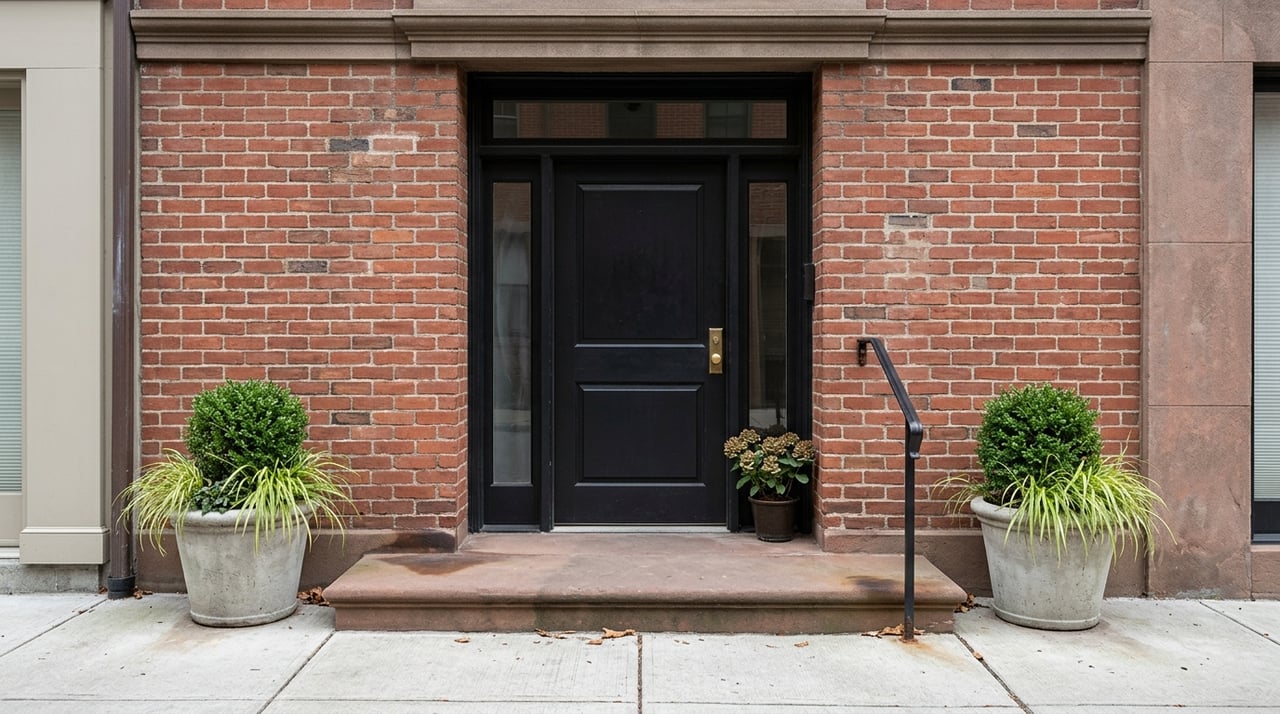
- Curb appeal, including paint, landscaping, and clean driveways
Across national and regional studies, smaller, targeted improvements often recoup more than large luxury overhauls. For a broader view of recoup trends, explore the annual Cost vs. Value Report. In Nassau County, higher price tiers can support premium finishes, but your return still depends on buyers for your specific neighborhood and price bracket.
Permits and documentation
Permits matter for value and financing. Unpermitted additions or major renovations can raise red flags for buyers and appraisers. Before you list, gather records for any permitted work and be ready to disclose updates. You can verify taxes and assessments through the Nassau County Department of Assessment and review exemptions such as the STAR program through the New York State Department of Taxation and Finance.
Avoid over-improving
You want your home to compete with the best comps, not outspend them. A costly kitchen or bath that exceeds neighborhood norms might not translate to a proportional sale price. If nearby sales show stylish but modest upgrades, aim there and keep your budget focused on what buyers in your area are rewarding.
Local Nassau County factors to weigh
- Property taxes and affordability. Nassau County taxes are relatively high compared with many U.S. counties, and buyers factor the monthly burden into their budget. Keep your tax history and exemptions clear for potential buyers.
- School district boundaries. District lines influence buyer demand across Nassau County. When you select comps, match by district to avoid mixing pricing patterns.
- Commute and transit. Proximity to Long Island Rail Road stations and drive time to NYC often affect price and time on market for commuter buyers.
- Waterfront and flood risk. Waterfront access can drive premiums, while flood zones and insurance considerations can affect financing and buyer interest. You can check your designation using the FEMA Flood Map Service Center.
- Housing type conventions. Condos and co-ops involve different valuation inputs. Monthly maintenance or common charges can impact affordability and price positioning.
Valuation tools you will encounter
You will likely see several value estimates. Each has a role, and it helps to know how they differ.
- Comparative Market Analysis. A CMA is prepared by an agent or broker using MLS comps, plus adjustments for differences. It is the most common tool for setting a listing price. Accuracy depends on the quality of the comps and the local expertise of the agent.
- Automated Valuation Models. AVMs provide quick, computer-generated estimates. They are helpful for a ballpark, but they can miss the mark on unique properties, irregular lots, waterfront homes, or when interiors differ from public records.
- Appraisals. A licensed appraiser performs an appraisal, usually required by a lender once you are under contract. Appraisals are standardized and tend to be conservative in fast-moving markets.
- Broker Price Opinion. A BPO is a formal broker opinion of value, often used by institutions. It resembles a CMA, with a more structured format.
Best practice for sellers is to obtain a CMA from an experienced local agent, compare it with several AVMs for reference, and remember that the final sale price comes from market demand. Multiple offers can push a sale above a single estimate, while slower segments can land below.
Pricing strategies that fit your goals
- Price to market. List close to market value based on solid comps to attract strong early traffic and offers. This is effective in balanced or seller-leaning markets.
- Slightly under market. A modest under-list can amplify interest and produce multiple offers. It works best when inventory is tight and your home shows well.
- Aspirational pricing. Listing above market is an option if your property is unique or inventory is very limited. Expect lower traffic and a longer timeline.
Alongside the list price, consider your net proceeds. In New York, closing costs, transfer taxes, and mortgage payoff can influence your bottom line. If you are working against a firm move date, you may favor a faster, market-level offer. If you can be patient, you might time your sale to seasonal demand.
Timing your Nassau County sale
Spring is the peak season for buyer activity in Nassau County. Listing a bit earlier can help you get in front of buyers who want to close before summer. If you plan a pre-list refresh, build in time for painting, minor repairs, and professional media. When you launch, your price should reflect the comps and your condition, not just what you hope the market will bear.
For ongoing market context, you can keep an eye on regional data from Long Island REALTORS and local MLS sources like OneKey MLS. Pair those insights with a neighborhood-specific CMA so your price aligns with current buyer behavior.
Presentation that boosts perceived value
Great presentation helps buyers understand your home’s value and envision living there. Professional photos, video, and 3D tours tend to increase online engagement and showings. Floor plans help buyers understand flow and scale, which is especially useful for out-of-area shoppers.
Interactive 3D tools, similar to Castle 360-style tours, create a virtual walkthrough experience with dollhouse views and measurements. These tools can reduce unnecessary showings, highlight layout, and keep your listing top of mind. They work best when paired with light staging, decluttering, and accurate property details.
A simple Nassau County valuation checklist
Use this quick list to prepare for a reliable pricing conversation:
- Gather facts: square footage, lot size, beds and baths, basement details, garage, age, roof and HVAC status, and any recent upgrades.
- Document improvements: dates, permits, and invoices for renovations or system replacements. Keep before and after photos where helpful.
- Identify comps: 3 to 6 recent closed sales in the same school district and neighborhood, plus pending and active listings for context.
- Verify taxes and exemptions: confirm assessments and exemptions with the Nassau County Department of Assessment and the New York State Department of Taxation and Finance.
- Check flood and zoning: confirm any flood zone status via the FEMA Flood Map Service Center, and note any waterfront or setback rules relevant to your property.
- Plan your presentation: professional photos, 3D tour, and a clear floor plan. Consider a pre-list inspection or contractor bid to address known issues up front.
- Choose a pricing strategy: match list price and timing to your timeline and net proceeds goals.
How we help you price with confidence
You deserve a valuation that blends data, on-the-ground insight, and market-savvy presentation. Our team pairs construction-informed due diligence with a rigorous CMA process that focuses on the best local comps, school district boundaries, and the real condition of your home. Then we market with cinematic media and 3D tours so the value you built shows up clearly to buyers.
If you are planning a sale in the next few months, or you want a second opinion on your home’s value, let’s talk about the smartest path to your goals. Reach out to The Castle Team at Keller Williams to request your free home valuation.
FAQs
How long does a Nassau County home sale take from listing to closing?
- Timelines vary by neighborhood and price tier. Well-priced homes can receive offers within weeks in active segments, then closings typically add 30 to 60 days depending on buyer financing.
Do I need to renovate before listing my Nassau County home?
- Not always. Targeted updates like paint, minor kitchen or bath refreshes, and curb appeal often deliver better returns than major luxury overhauls.
Are online home value estimates accurate in Nassau County?
- They are useful for a general range, but they can miss the mark on unique properties, waterfront lots, or homes with interior updates that differ from public records. Pair them with a local CMA.
Do permits really matter when selling in Nassau County?
- Yes. Unpermitted work can reduce buyer confidence and complicate appraisals. Have documentation ready for additions and major system updates.
What pricing strategy works best for Long Island suburbs?
- It depends on inventory and your timeline. Pricing at market value draws early traffic, a slight under-list can spark multiple offers, and aspirational pricing suits unique homes if you can be patient.