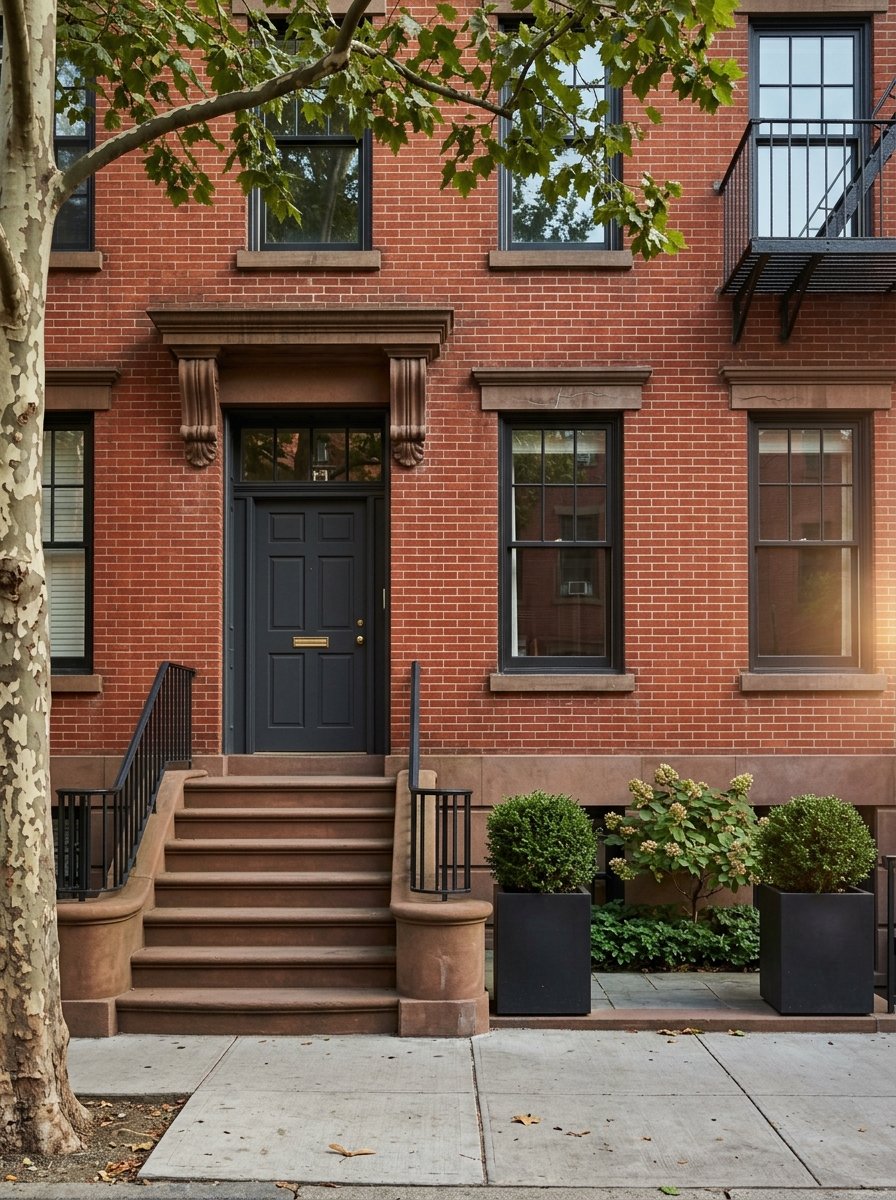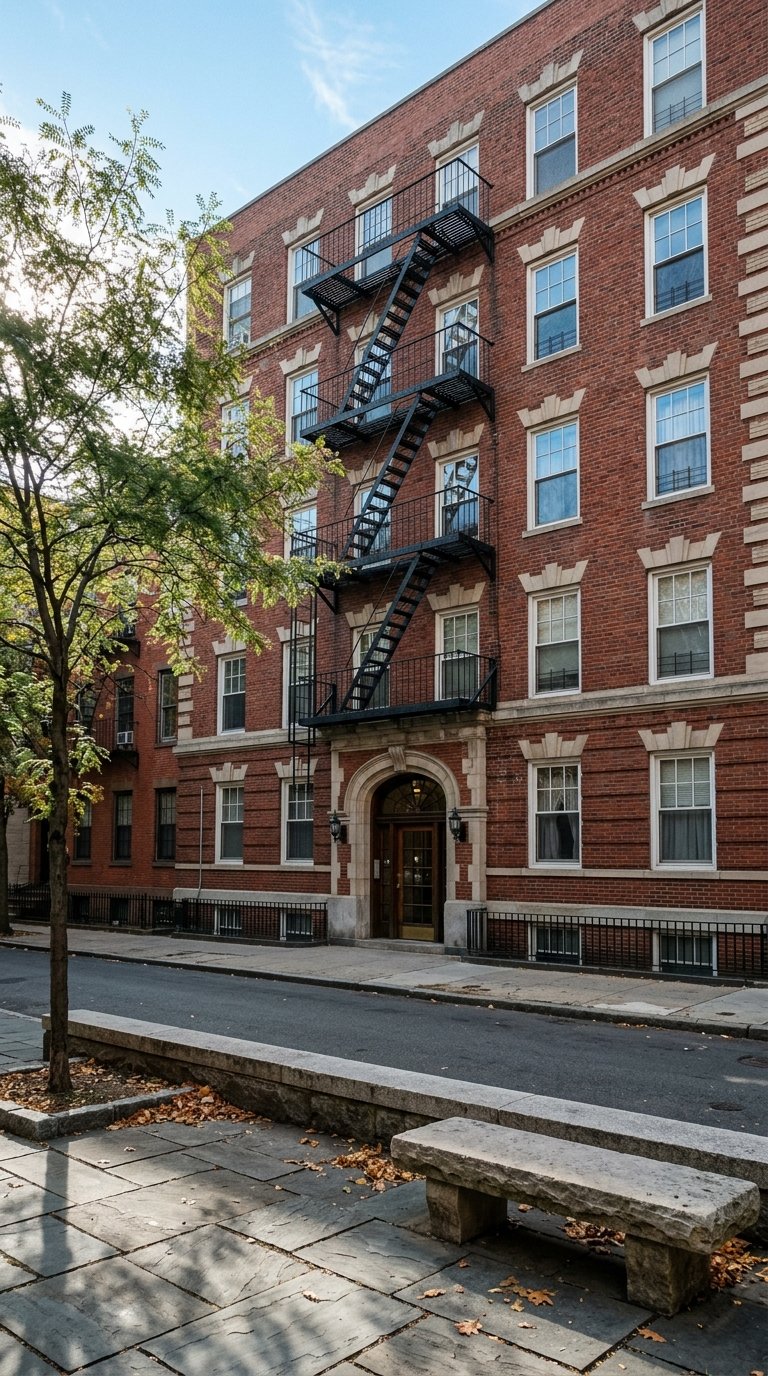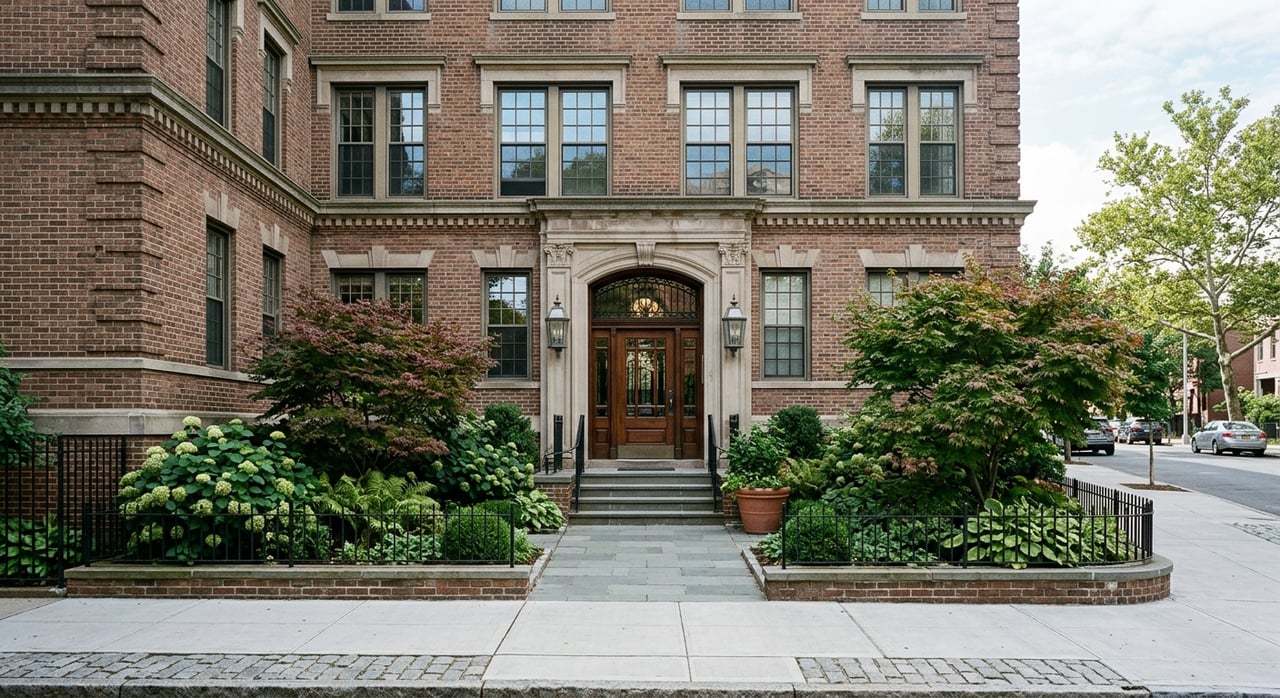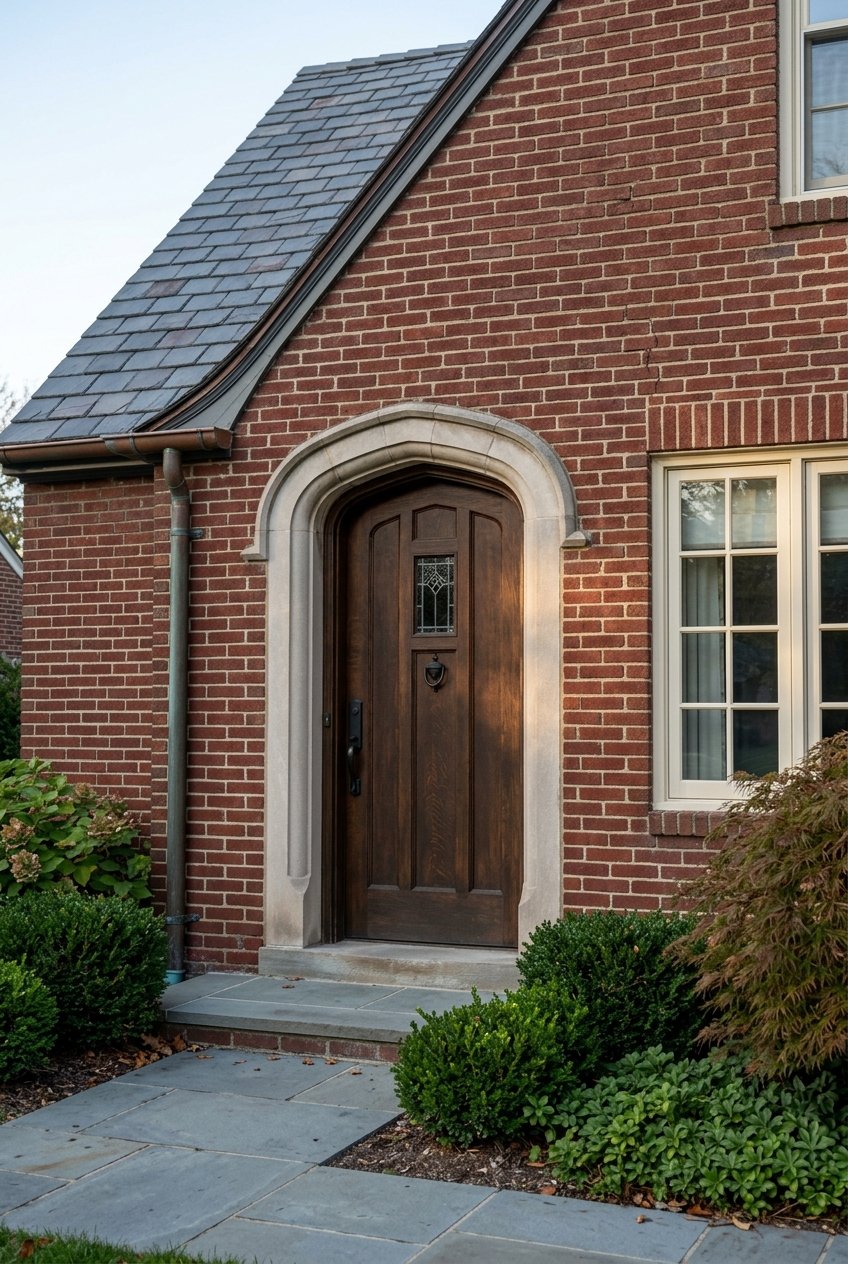
Dreaming about a historic home in Garden City? You are not alone. The charm is real, but so are the questions that come with older houses, from hidden maintenance to permit rules and environmental testing. If you are thinking about buying one, this guide will help you understand what makes these homes special, what to inspect closely, and how to move forward with more confidence. Let’s dive in.
Why Garden City Historic Homes Stand Out
Garden City has a very specific story, and that story shapes what you see in its older housing stock today. The village was laid out beginning in 1869 as one of the earliest planned villages in the United States, with wide avenues, tree-lined streets, large lots, and a built-in railroad connection.
For buyers, that means “historic Garden City” is not just one look or one time period. There is a Stewart-era historic core from the original building campaign between 1871 and 1893, plus later older neighborhoods that developed in the early 1900s.
That distinction matters when you shop. Some homes trace back to the original village plan, while others are older homes from later growth periods that still offer age, character, and architectural detail.
What Architectural Styles You May See
If you picture a historic Garden City home, you are probably imagining Victorian-era influence. That is a good starting point, but the housing stock is more varied than many buyers expect.
The original residences were built from seven standard designs by architect John Kellum and contractor James L’Hommedieu. Surviving examples include slate-roofed Mansard houses, gable-end cottages with round-arched openings, Carpenter Gothic trim, and Italianate-influenced homes.
You may also hear about the A.T. Stewart Era Buildings group, which includes 50 structures, 44 of them residences. That collection helps explain why old Garden City has such a strong visual identity, even though not every house is identical in style or condition.
Some historic homes have also been altered over time. A house may still have a classic exterior presence while missing original details or showing later updates that were less consistent with the original design.
What National Register Status Really Means
This point can confuse buyers, so it helps to keep it simple. A National Register listing is meaningful for history and context, but for a private homeowner it does not automatically create federal restrictions on the property.
In Garden City, local law is what usually controls the work you can do. That means your real focus should be on village rules, permit requirements, and whether your planned changes would trigger local review.
What to Inspect First in an Older Garden City Home
When you buy a historic or older home, the goal is not to be scared off by age. The goal is to know where risk tends to live so you can evaluate the house clearly.
In Garden City, buyers should think about three big buckets at once:
- charm and original materials
- envelope repair, such as roof, masonry, and windows
- environmental risk, such as lead-based paint or asbestos
Start With Moisture and the Exterior Envelope
Moisture is one of the biggest threats to older buildings. A weather-tight roof is basic to preserving the structure, so the first questions should focus on how water is managed and whether it has been getting in.
Pay close attention to:
- roof condition
- gutters and downspouts
- flashing
- grading around the home
- basement dampness
- chimney condition
- wall penetrations where water can enter
If the home has a slate roof, do not assume replacement is the default solution. Historic slate roofs are often best repaired with compatible materials rather than replaced casually.
Check Masonry Carefully
Brick, stone, and chimneys can become major cost centers in older homes. Much of the wear shows up in mortar joints, and repairs need to be done with compatible methods and materials.
That is especially important in Victorian-era homes, where improper repointing or harsh cleaning can cause damage rather than solve it. If you see cracking, loose mortar, patched brickwork, or chimney deterioration, it is worth asking deeper questions before you commit.
Look Closely at Windows, Trim, and Porches
This is where charm and budget often collide. Original windows, wood trim, and porches can be some of the most beautiful parts of a historic home, but they can also require ongoing repair.
Inspect for rot, paint failure, prior replacement work, failed seals, and deferred maintenance. A porch that looks tired may still be repairable, and old windows may have more life left than buyers assume, but condition matters.
Lead, Asbestos, and Water Line Questions
Older homes often come with environmental due diligence, and that is a normal part of the buying process. In a place like Garden City, it should be treated as standard planning, not as a surprise.
Lead-Based Paint in Older Homes
Lead-based paint is a major concern in pre-1978 homes. The older the house, the greater the chance that some lead-based paint may be present.
If you are considering renovations, this becomes even more important. New York State warns that scraping, sanding, or remodeling can create lead dust, so buyers should think ahead if they plan to open walls, refinish trim, or disturb painted surfaces.
A certified inspector or risk assessor can help evaluate the issue more clearly. This can be especially useful if the house has older painted windows, trim, doors, or porches.
Asbestos in Older Materials
Asbestos is another issue that cannot be confirmed by sight alone. Older floor tile, ceiling tile, shingles, siding, insulation, and pipe wrap may contain asbestos, especially if the materials are damaged or will be disturbed during renovation.
If materials are intact and will remain undisturbed, they may not require immediate action. But if your purchase plan includes remodeling, specialist testing is often the smarter move before work begins.
Ask About the Water Service Line
Garden City maintains a lead service line inventory and offers a lead-test request page. For buyers of older homes, that makes water-service material another practical due diligence question.
It is a simple item to ask about, but it can provide useful clarity early in the process. When you are evaluating an older property, small infrastructure details matter.
Garden City Permit and Review Rules to Know
One of the biggest mistakes buyers make with older homes is assuming that interior or exterior updates will be straightforward. In Garden City, you should verify that assumption before you build renovation plans into your budget or offer strategy.
The Village Building Department states that any contemplated residential or commercial action should be reviewed to determine whether a permit, inspection, or prior approval is required. The property owner is responsible for making sure the required permits and approvals are obtained.
When the ADRB May Be Involved
Garden City’s Architectural Design Review Board, or ADRB, reviews exterior design to maintain standards of appearance and neighborhood context. Under local rules, this review can apply to new buildings and many additions or exterior alterations.
For one-family dwellings, street-visible changes that substantially alter the overall appearance may trigger ADRB review. Additions or demolition equal to 30% or more of existing building coverage may also trigger review.
At the same time, some routine same-kind updates generally do not require ADRB approval on their own. These can include same-kind siding, windows, roofing, and color changes.
That distinction is important. A buyer may assume an exterior project is minor, but the actual scope and visibility of the work can change the approval path.
Renovation Permits Go Beyond Cosmetic Work
If you plan to update electrical, plumbing, or mechanical systems, the village has separate permit applications for those trades. That is a useful reminder that even work that seems “mostly inside” can still involve multiple approvals.
For older homes, coordinated permitting often matters just as much as design. If a past renovation was done without clear final sign-offs, that may affect your comfort level, pricing strategy, or project timeline.
Demolition Rules Are Not Simple
If you are considering a teardown or major rebuild, check the rules early. In Garden City, a demolition permit for a residence cannot be issued unless a replacement residence is approved, or a maintenance plan is approved when no new house is proposed.
There are also neighbor notice requirements before the permit is issued. If you are buying with a major redevelopment vision, this is something to verify before the deal structure starts leaning on assumptions.
A Smarter Offer Strategy for Garden City Historic Homes
Historic homes can be incredible purchases, but they reward buyers who stay practical. In Garden City, a strong strategy blends appreciation for character with disciplined due diligence.
Here are a few smart steps to take before and during contract discussions:
- ask for permit history
- review visible exterior materials closely
- inspect roof, masonry, windows, and porches carefully
- ask about water-service line materials
- plan lead or asbestos testing if renovations may disturb older materials
- confirm whether past work had final sign-offs
- research whether your planned exterior changes may trigger ADRB review
This is where experienced guidance matters. A charming older home can hold real long-term value, but that value is tied not only to square footage. It is also tied to the condition of original materials, the quality of past updates, and how much deferred work may still be waiting beneath the surface.
Why Technical Guidance Matters in Older Home Purchases
Buying a historic home is rarely just about style. It is also about understanding the building as a system.
That is especially true in Garden City, where architectural character, preservation concerns, and local review standards can all affect your decision-making. When you understand the structure, the likely repair categories, and the village approval process, you can make choices with fewer surprises.
For many buyers, the best outcome is not finding a perfect old house. It is finding the right old house, with a realistic plan for ownership, upkeep, and future improvements.
If you are considering buying a historic home in Garden City, working with a team that understands both the emotional appeal and the technical side can help you protect your investment. The Castle Team brings practical, construction-informed guidance to help you evaluate older homes with more clarity and confidence.
FAQs
What makes a home historic in Garden City?
- In Garden City, buyers may find homes from the original Stewart-era development starting in the 1870s as well as later older homes from the village’s early 1900s growth. Historic appeal often comes from age, architecture, original materials, and the home’s place within the village’s planned development history.
What should buyers inspect first in a Garden City historic home?
- Buyers should start with moisture-related risks and the exterior envelope, including the roof, gutters, flashing, grading, basement dampness, chimneys, masonry, windows, trim, and porches.
Do Garden City historic homes have special renovation rules?
- Yes. The Village of Garden City says contemplated work should be reviewed to determine whether permits, inspections, or prior approvals are required, and some exterior changes may also require review by the Architectural Design Review Board.
Does National Register status restrict work on a Garden City house?
- Not by itself for a private owner. The research shows that local law, not federal National Register status alone, usually controls most work on these properties.
Should buyers test for lead or asbestos in older Garden City homes?
- If the home is older, especially pre-1978, and you plan renovations that may disturb painted or insulated materials, lead and asbestos testing should be part of your due diligence planning.
Why does permit history matter when buying an older Garden City home?
- Permit history can help you understand whether prior renovations were properly approved and completed, which is especially important in older homes where hidden work, trade permits, and final sign-offs can affect future repairs or upgrades.