If you have ever stopped at the Brooklyn Heights Promenade and thought, Could I actually live here? the short answer is yes, but the experience is about more than just the view. Living near the Promenade means being surrounded by historic architecture, easy waterfront access, and strong transit in a neighborhood that feels residential without feeling cut off from the rest of the city. If you are considering a move to Brooklyn Heights, this guide will help you picture daily life, understand the tradeoffs, and decide whether this part of Brooklyn fits the way you want to live. Let’s dive in.
The Promenade sets the tone
The Brooklyn Heights Promenade sits along the East River, just south of the Brooklyn Bridge, with views of the Manhattan skyline, New York Harbor, the South Street Seaport, Governors Island, and the Statue of Liberty. Those views are not just a nice bonus. City zoning protects the scenic view corridor, which helps preserve the visual character that makes this stretch so well known.
That has a real effect on daily life. Instead of feeling tucked inside a dense city block pattern, you get a sense of openness and connection to the waterfront. Even a quick walk can feel like a reset when the skyline is part of your routine.
Brooklyn Heights feels historic and residential
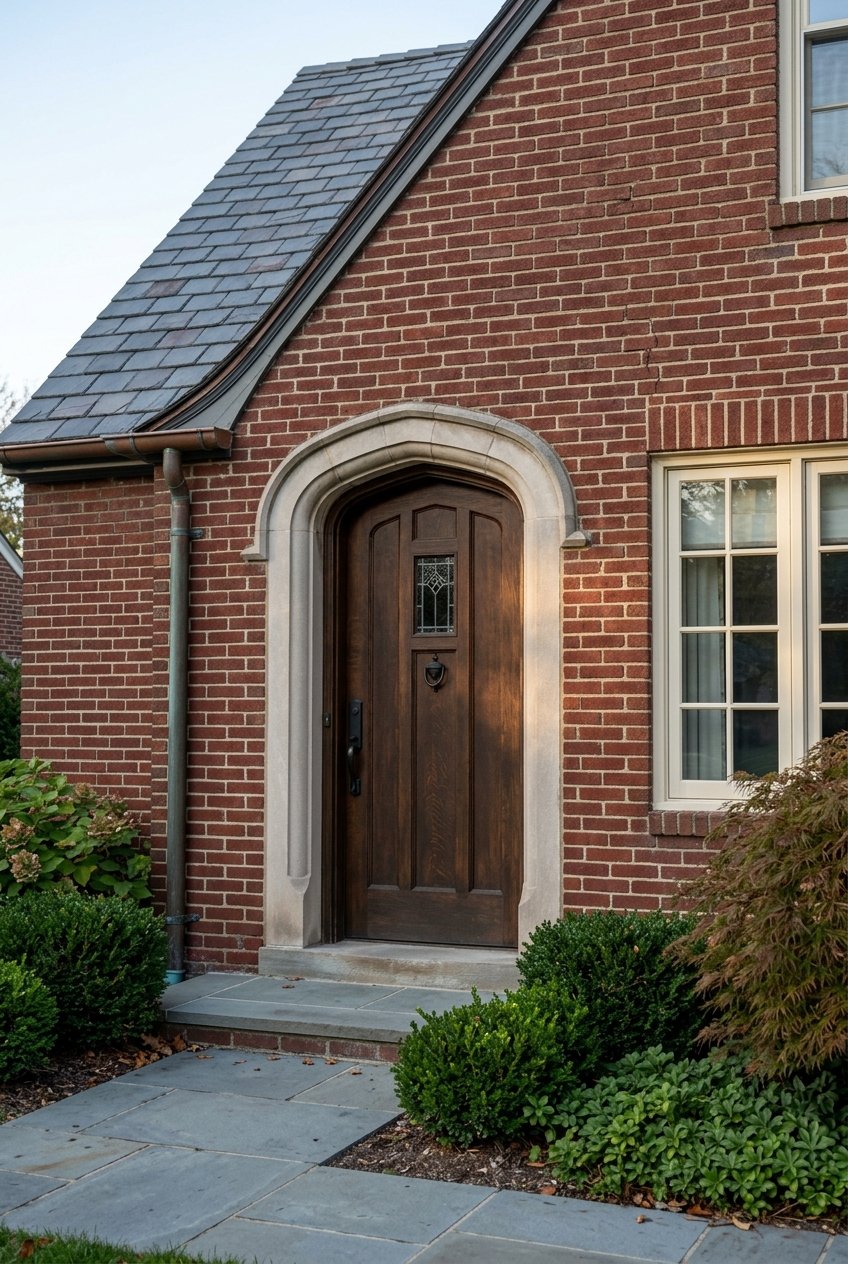
Brooklyn Heights is a landmarked historic district, originally designated in 1965. City planning materials describe it as an area defined mainly by 19th-century rowhouses on tree-lined streets, with some taller residential buildings and more modern housing near Cadman Plaza West.
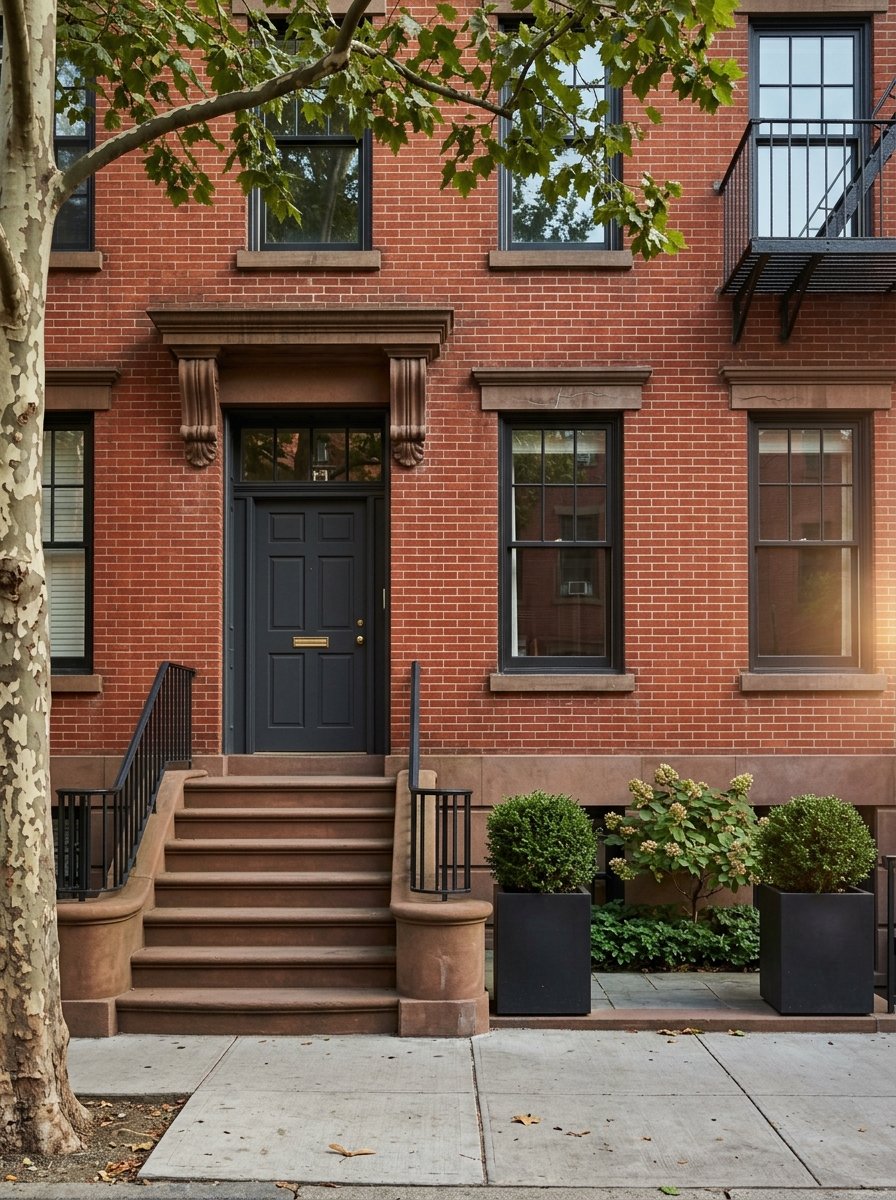
In practical terms, that means the neighborhood has a preserved look and feel. You will find blocks lined with brownstones and classic rowhouses, but you are not limited to townhouse living. Depending on the building and the block, you may also find apartment options that offer a different level of upkeep and day-to-day convenience.
Housing options near the Promenade
One of the biggest draws of living near the Promenade is that the housing stock supports different lifestyles. If you love historic details, stoops, and the feeling of a classic Brooklyn home, the rowhouses and brownstones are a major part of the appeal.
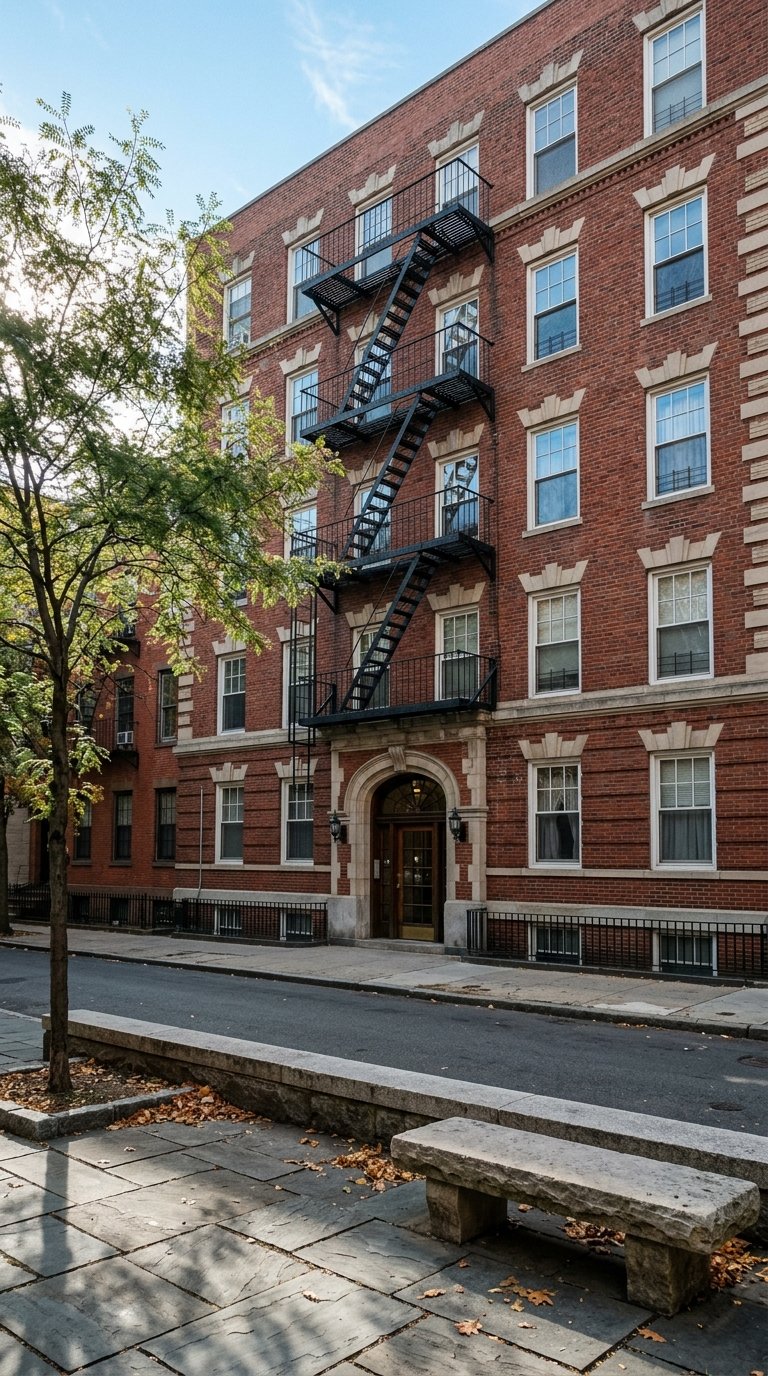
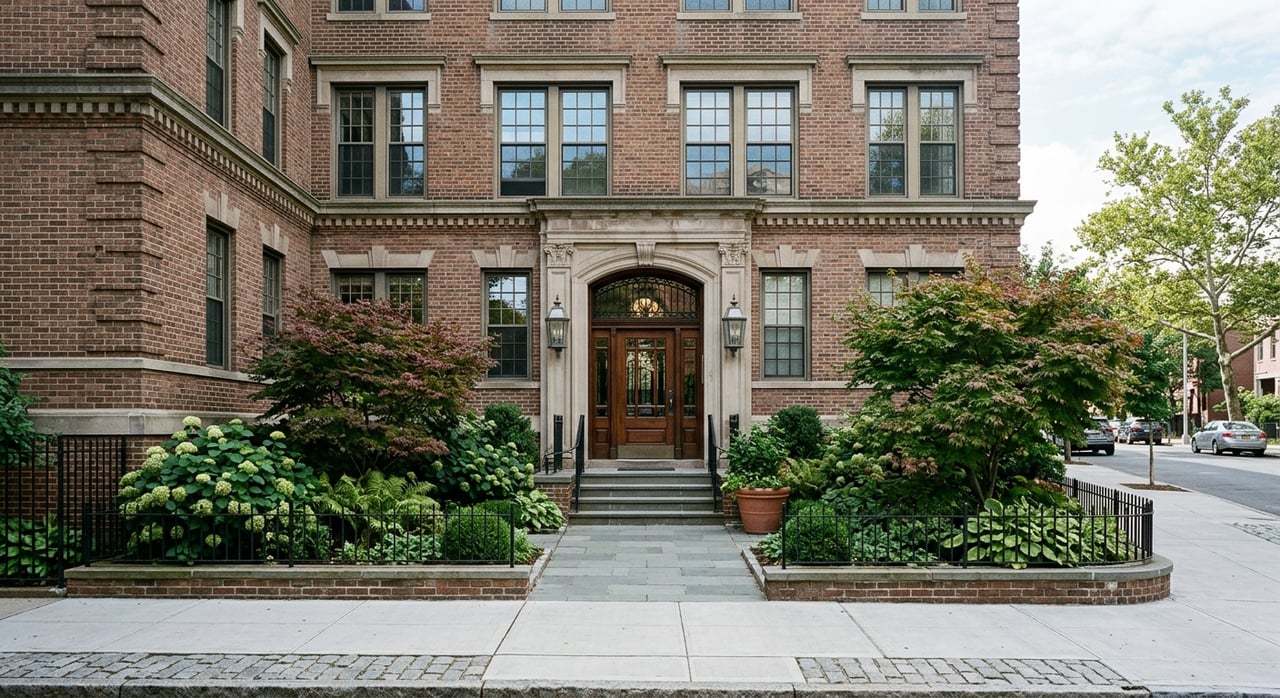
If you want a lower-maintenance setup, there are also taller residential buildings and newer housing in parts of the neighborhood, especially near Cadman Plaza West. That mix gives buyers more flexibility than they might expect from a historic district.
What buyers should know about landmark rules
Historic character comes with responsibilities. In designated buildings, the Landmarks Preservation Commission must approve in advance any alteration, reconstruction, demolition, or new construction that affects the exterior.
For you as a buyer or owner, that means the neighborhood’s architecture is protected, but exterior changes are more limited. If you are thinking about a renovation, facade updates, or other visible work, you need to factor in preservation review early. This is one place where careful due diligence matters.
Outdoor life is built into the neighborhood
Living near the Promenade means outdoor access is not an occasional treat. It is part of the rhythm of the area. The Promenade itself gives you a scenic place to walk, pause, or meet up with friends without needing to plan a full outing.
Beyond that, Brooklyn Bridge Park is one of the neighborhood’s biggest daily advantages. The park spans 85 acres along 1.3 miles of the East River next to Brooklyn Heights and DUMBO, and it is open daily from 6 a.m. to 1 a.m.
Pier 1 adds lawns, a waterfront promenade, tree-lined pathways, water gardens, and a playground. That makes the waterfront useful in different ways. You can fit in a morning walk, spend time outside after work, or head down for a longer weekend outing.
Easy access to the waterfront
Brooklyn Heights has a direct pedestrian connection to Brooklyn Bridge Park through the Squibb Park Bridge. The bridge provides convenient access from Brooklyn Heights to Pier 1 and is open from 8 a.m. to 10 p.m. Bikes, scooters, and skateboards must be walked across.
You also have nearby open spaces beyond the big waterfront park system. Cadman Plaza Park covers 10.384 acres, Squibb Park adds another smaller green space, and Pierrepont Playground gives residents another nearby outdoor option.
Taken together, these spaces support a walkable, outdoor-oriented routine. If you want a neighborhood where fresh air, waterfront views, and short walks are easy to build into your day, this is one of the strongest parts of the lifestyle.
Daily errands happen inland
One thing many buyers notice quickly is that the Promenade is the visual centerpiece, but it is not where most daily errands happen. For everyday shopping and dining, Montague Street is the neighborhood’s main commercial corridor.
City planning materials describe Montague Street as Brooklyn Heights’ retail shopping district, with restaurants, specialty food shops, delis, and clothing stores. For residents near the Promenade, this means your daily pattern often includes heading a few blocks inland for coffee, groceries, takeout, or basic errands.
That setup can be a plus. You get the quiet, scenic waterfront edge while still having practical neighborhood services close by. It helps Brooklyn Heights feel like a place where people actually live, not just a place people come to admire.
Transit is a major advantage
Brooklyn Heights stands out because it combines historic character with strong transportation access. The MTA identifies Clark Street as a Brooklyn Heights station, and nearby alternatives include High Street and the Borough Hall-Court Street complex.
That broader pattern matters. You have access to multiple subway nodes, which makes the neighborhood workable for many types of commutes and city routines. If you prefer not to rely on a car, Brooklyn Heights supports that choice well.
Ferry, walking, and biking options
Subway access is only part of the picture. NYC Ferry’s South Brooklyn route serves Atlantic Ave/BBP Pier 6 and connects riders to Wall Street/Pier 11 and East 34th Street.
The Brooklyn Bridge also adds another layer of access with its pedestrian promenade and protected bicycle path. For some residents, that means the neighborhood offers more than one realistic commuting or travel option, especially for trips connected to Lower Manhattan or the waterfront.
Who tends to love living here
Living near the Brooklyn Heights Promenade tends to be a strong fit if you want a mix of historic architecture, park access, and easy transit. The neighborhood especially suits buyers who value a car-light lifestyle and want their surroundings to feel established rather than newly built.
You may also appreciate this area if you see property as both a home and a long-term asset. Protected architecture, enduring demand for waterfront access, and a neighborhood identity that has stayed distinct over time all shape how Brooklyn Heights is experienced.
The main tradeoff to consider
The biggest lifestyle tradeoff is not the commute or the lack of amenities. It is the reality of owning in a landmarked historic district. The same rules that help preserve the neighborhood’s character can also make exterior changes more involved.
If you are a buyer who wants to personalize a property, especially a brownstone or rowhouse, it is smart to understand early what is simple, what requires approval, and how that may affect your budget and timeline. For many buyers, the protection is worth it. The key is going in with clear expectations.
What living near the Promenade really feels like
At its core, living near the Brooklyn Heights Promenade feels scenic, established, and easy to navigate on foot. You get historic streetscapes, a direct relationship to the waterfront, and enough transit access to stay connected to the rest of the city without giving up neighborhood calm.
It is not a flashy new-development lifestyle. It is more rooted than that. If you want classic Brooklyn architecture, strong outdoor access, and a daily routine shaped by walking, views, and nearby transit, Brooklyn Heights near the Promenade offers a lifestyle that is hard to replicate elsewhere.
If you are thinking about buying or selling in Brooklyn Heights, working with a team that understands both the character of historic properties and the practical side of evaluating them can make a real difference. The Castle Team brings a thoughtful, hands-on approach to helping you navigate NYC real estate with confidence.
FAQs
What is daily life like near the Brooklyn Heights Promenade?
- Daily life near the Brooklyn Heights Promenade often includes regular walks, easy access to waterfront open space, nearby errands on Montague Street, and strong transit options that support a car-light routine.
What types of homes are near the Brooklyn Heights Promenade?
- Housing near the Brooklyn Heights Promenade includes historic rowhouses and brownstones, along with some taller residential buildings and more modern housing near Cadman Plaza West.
What should buyers know about Brooklyn Heights landmark rules?
- Buyers in Brooklyn Heights should know that exterior changes to designated buildings generally require advance approval from the Landmarks Preservation Commission.
Is Brooklyn Bridge Park easy to reach from Brooklyn Heights?
- Yes. Brooklyn Heights has direct pedestrian access to Pier 1 through the Squibb Park Bridge, which connects the neighborhood to Brooklyn Bridge Park.
Is Brooklyn Heights a good fit for car-free living?
- Brooklyn Heights can work well for car-free or car-light living because it offers multiple nearby subway options, ferry access, and strong walking and biking connections.