Moving to the Bronx can feel exciting and a little overwhelming at the same time. This borough is not one single look, one single housing style, or one single commute. If you are trying to figure out where you might fit, this guide will help you understand how the Bronx is laid out, what kinds of homes you will see, and what daily life may actually look like. Let’s dive in.
How to Think About the Bronx
One of the smartest ways to understand the Bronx is to stop thinking of it as one uniform market. The borough is better understood as a collection of neighborhood clusters, each with its own housing mix, street feel, and transit patterns.
New York City’s community-board system groups areas like Riverdale, Fieldston, Kingsbridge, Fordham, Parkchester, Soundview, Castle Hill, Co-op City, Throggs Neck, Pelham Bay, Mott Haven, Melrose, and Concourse into local districts. For a newcomer, that matters because your day-to-day experience can change a lot from one part of the borough to another.
Bronx Neighborhood Clusters to Know
Northwest Bronx
The northwest Bronx includes places such as Riverdale, Fieldston, Spuyten Duyvil, Kingsbridge, Kingsbridge Heights, Van Cortlandt Village, Bedford Park, Norwood, Jerome Park, Fordham, and University Heights. These are some of the best-known areas that residential buyers often compare.
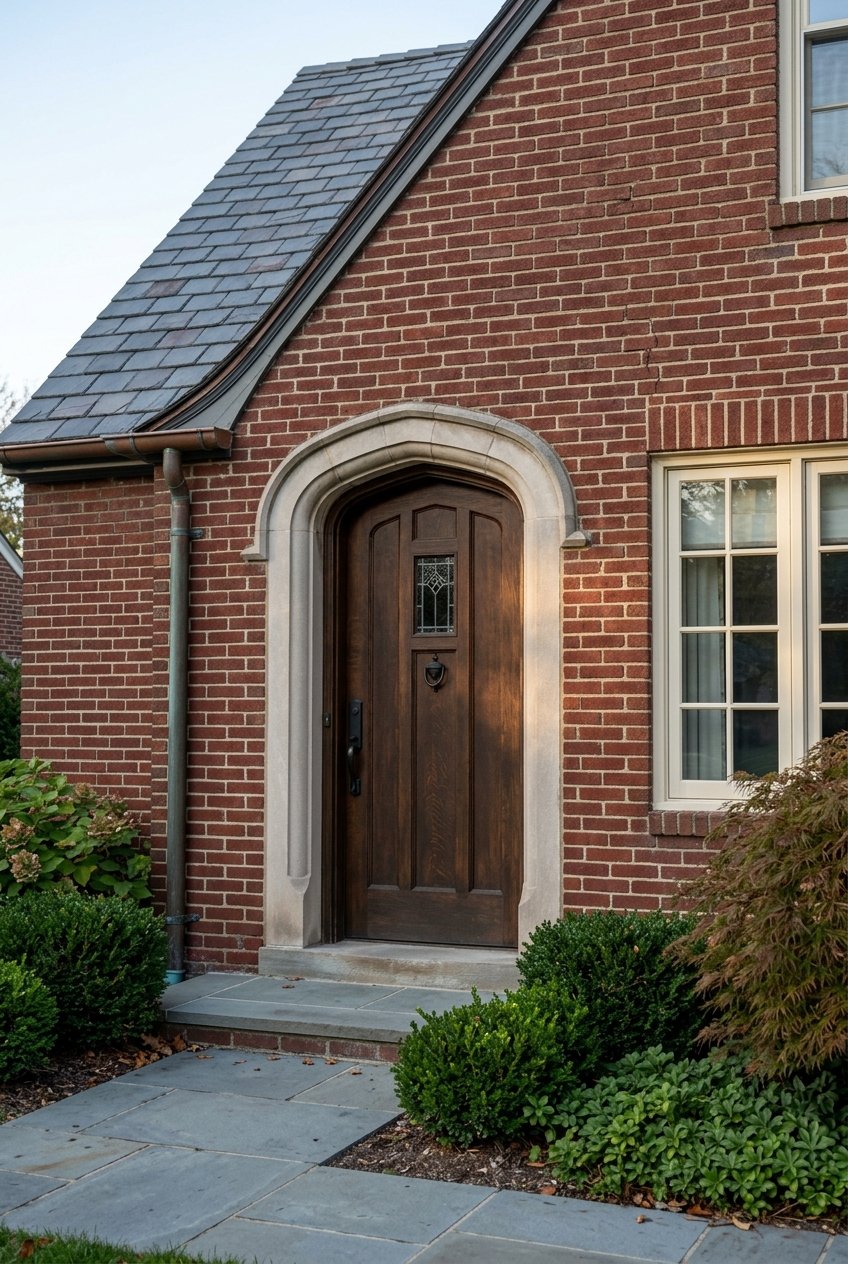
Official city sources note that Fieldston resembles a suburban district, and that parts of Riverdale are typical low-rise residential districts. In practical terms, this part of the Bronx often feels more house-oriented and park-connected than many other parts of the borough.
East and Northeast Bronx
The east and northeast Bronx include Baychester, Eastchester, Edenwald, Wakefield, Williamsbridge, Woodlawn, Morris Park, Pelham Gardens, Pelham Parkway, Parkchester, Soundview, Castle Hill, Clason Point, Harding Park, Throggs Neck, Country Club, City Island, and Co-op City. This part of the borough offers a broad mix of planned apartment communities, lower-rise residential blocks, and waterfront pockets.
Parkchester is described by Bronx Community Board 9 as a major condominium community. Co-op City is one of the borough’s most recognizable residential areas and remains a large Mitchell-Lama cooperative community.
South and Central Bronx
The south and central Bronx include Mott Haven, Port Morris, Melrose, Hunts Point, Longwood, Morrisania, Crotona Park, Claremont Village, Concourse, Highbridge, Mt. Eden, and Concourse Village. For many newcomers, this area reads as the borough’s more urban core.
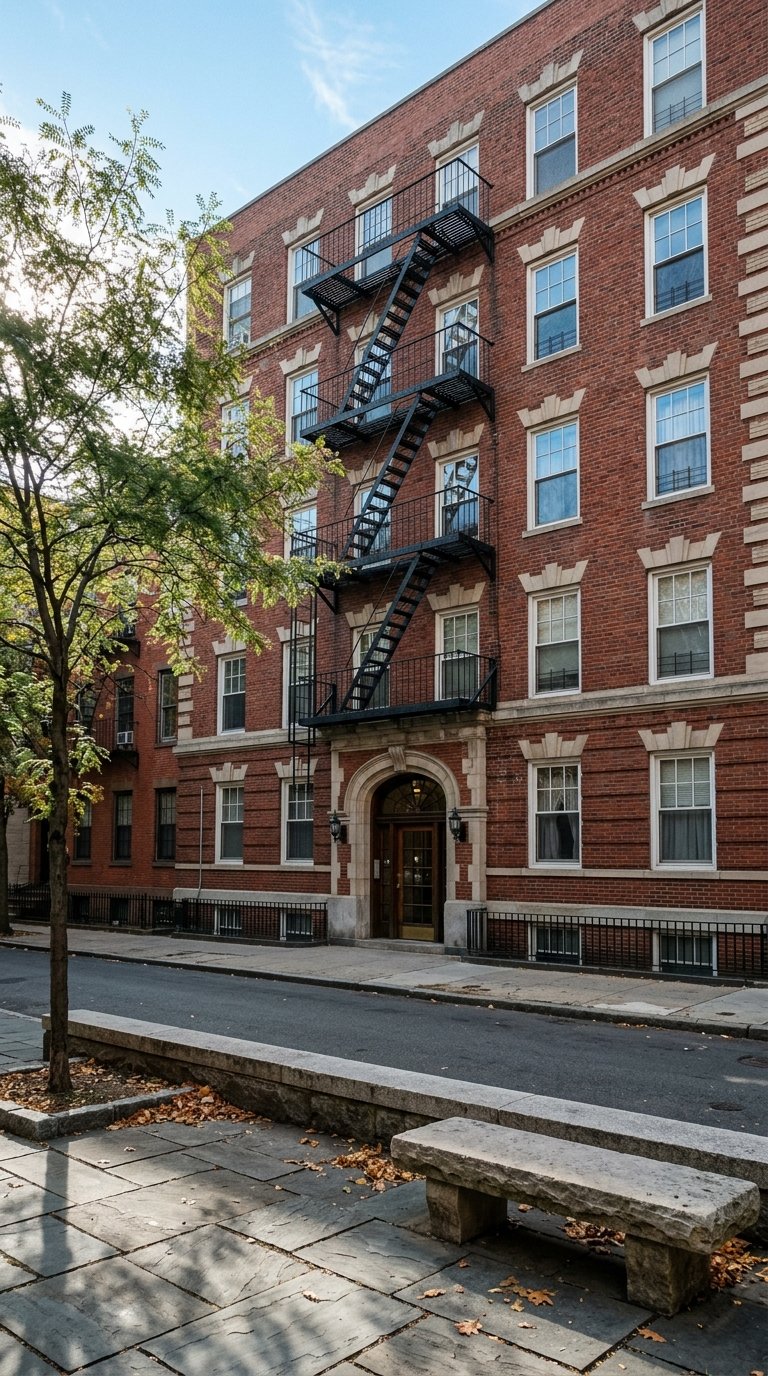
These neighborhoods generally include denser apartment corridors and strong access to subway and bus routes. If your priority is being closely connected to transit and a more dense city layout, this cluster often comes up early in your search.
What Housing Looks Like in the Bronx
Co-ops Matter Here
If you are new to New York City real estate, one of the biggest adjustments may be how common co-ops are in the Bronx. According to NYC Housing Preservation and Development, co-op ownership means you own shares in a corporation that owns the residential property rather than owning the unit in the same way as a typical house.
That distinction matters because the buying process, monthly costs, and approval steps can look different from a standard single-family purchase. For many buyers, understanding co-ops early can save time and help narrow the right neighborhoods and building types.
Condos and Planned Communities
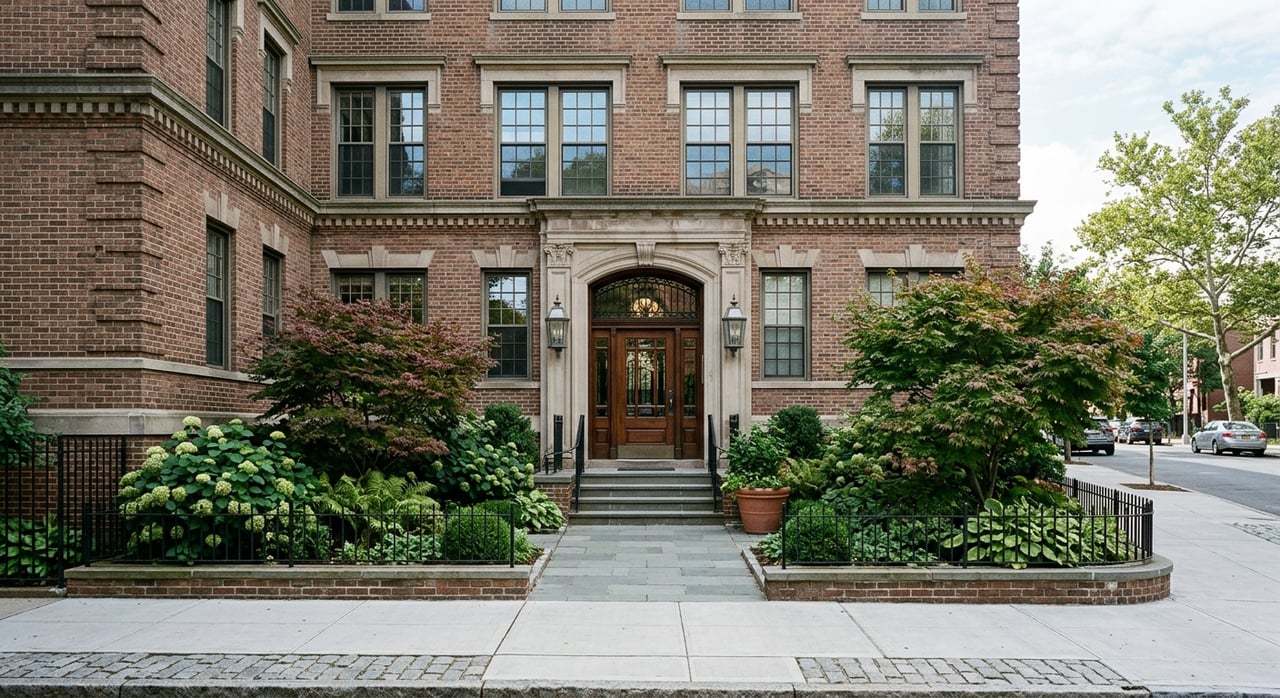
Condos are also an important part of the Bronx housing mix. Parkchester is a well-known example, with Community Board 9 describing it as one of the borough’s largest condominium communities and a self-contained neighborhood.
If you want an ownership option that may feel more familiar than a co-op structure, condo-heavy pockets can be worth a closer look. The right fit often comes down to your budget, financing plan, and how much building structure and oversight you are comfortable with.
Single-Family and Low-Rise Areas
The Bronx also has pockets that feel much more low-rise and house-focused. NYC Planning explains that residential zoning across the city ranges from detached single-family districts to very high-density residential districts, which helps explain why the borough changes so much from block to block.
That is part of why areas like Fieldston, parts of Riverdale, and City Island can feel very different from denser apartment-centered sections of the Bronx. If you picture a more house-like setting, these lower-rise pockets are often where your search begins.
Mixed Housing Stock
Some neighborhoods offer a little of everything. Soundview is a good example, with Community Board 9 describing a mix that includes NYCHA sites along with scattered one-family and two-family homes.
For newcomers, this is an important reminder not to judge the Bronx by one listing or one block. A neighborhood can contain several housing styles within a relatively small area, which makes local guidance especially valuable.
A Simple Way to Compare Areas
If you want a quick mental map, this shorthand can help:
- Northwest Bronx: more low-rise and house-like pockets
- East Bronx: more planned complexes, condos, and mixed low-rise blocks
- South and central Bronx: more apartment buildings and denser multifamily housing
That summary is an inference based on official neighborhood and zoning sources, but it is a practical way to organize your search. It can also help you quickly eliminate areas that do not match your lifestyle or housing goals.
Parks and Outdoor Space in the Bronx
Big Green Space Is a Real Perk
One of the Bronx’s biggest strengths is how much major parkland and waterfront open space it has. If outdoor access matters to you, this borough has more range than many newcomers expect.
Pelham Bay Park is the largest park in New York City. Inside the park, Orchard Beach is the Bronx’s only public beach, and the mayor’s office says it spans 115 acres and stretches 1.1 miles.
Northwest and Central Bronx Outdoor Anchors
Van Cortlandt Park is one of the major open-space anchors in the northwest Bronx. Official city material describes it as about 1,146 acres, making it a major draw for anyone who wants easier access to large-scale parkland.
In the central Bronx, the Bronx Zoo covers more than 260 acres, and the New York Botanical Garden spans 250 acres. Both sit within the Bronx Park corridor, giving this part of the borough a strong green-space identity.
Waterfront and Greenway Access
The Bronx River and Harlem River corridors are also important parts of the borough’s outdoor network. In 2023, NYC Parks and DDC reopened Starlight Park as a 2.7-acre greenspace expansion that closes a gap in the Bronx River Greenway.
NYC DOT is also continuing work on the Harlem River Greenway, which is planned to connect Van Cortlandt Park to Randall’s Island through a seven-mile corridor. For newcomers who like walking, biking, or spending time near the water, these projects add another layer to how different parts of the Bronx live.
A Quieter Riverdale Option
Wave Hill offers a very different outdoor experience. It is a 28-acre public garden and cultural center in Riverdale overlooking the Hudson River and the Palisades.
If you are drawn to a quieter, landscape-heavy setting, it is one of the clearest examples of the Bronx’s calmer residential side. It also helps explain why some buyers are surprised by how varied the borough feels.
Getting Around the Bronx
Subway Corridors Shape Daily Life
Transit in the Bronx is highly corridor-based. That means your experience often depends less on the borough as a whole and more on which train, bus, or rail line serves your part of it.
The 1 train ends at Van Cortlandt Park-242 St in the northwest Bronx. The 2 and 5 serve the White Plains Road corridor, the 6 runs through the Pelham corridor and serves Pelham Bay Park, Parkchester, Castle Hill, and Westchester Square, and the 4 serves the Grand Concourse corridor up to Woodlawn.
The D line also serves Grand Concourse stations including Norwood-205 St, Bedford Park Blvd, Kingsbridge Rd, Fordham Rd, Tremont Av, 167 St, and 161 St-Yankee Stadium, with B train service during rush hours on that corridor. For many buyers and renters, those line patterns are just as important as neighborhood names.
Metro-North Can Be a Major Advantage
For parts of the west, northwest, and central Bronx, Metro-North can be a major commuting tool. The Hudson Line serves Riverdale, Spuyten Duyvil, and Marble Hill, while the Harlem Line serves Fordham, Botanical Garden, Williams Bridge, and Woodlawn.
MTA also notes that Hudson Rail Link connects residential areas in Riverdale and Spuyten Duyvil to Hudson Line stations. CityTicket can also be used for trips between the Bronx and Manhattan, which may matter if you are comparing rail-served neighborhoods.
Ferry and Bus Options Matter Too
In the east and southeast Bronx, ferry service is another option worth knowing. The Soundview route connects Soundview and Throggs Neck/Ferry Point Park with several Manhattan stops, and the approximate one-way route time is about 56 minutes.
Buses are also a major part of daily life in the Bronx. In many neighborhoods, bus routes are the connection between home and the nearest subway or rail station, so it is smart to look at more than just the closest train line when comparing where to live.
What Newcomers Should Prioritize
Match the Area to Your Routine
The best Bronx neighborhood for you depends on how you actually live. If you want a more low-rise setting with larger park anchors nearby, the northwest Bronx may rise to the top of your list.
If you are open to planned communities, condo options, or waterfront-adjacent sections, the east and northeast Bronx may be worth a closer look. If your focus is denser urban living with strong subway and bus access, south and central Bronx neighborhoods may feel more aligned.
Understand the Building Type Before You Shop
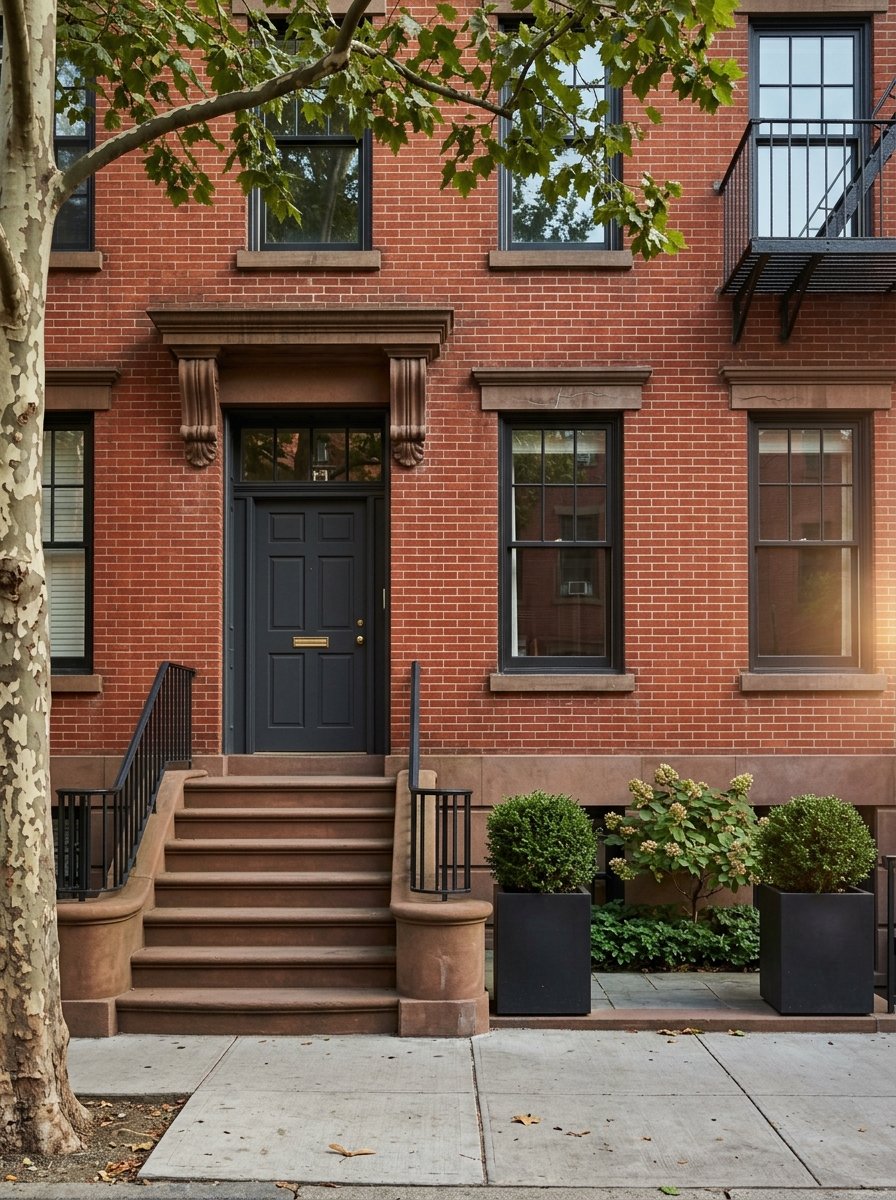
In the Bronx, the type of property can shape your experience as much as the location. A co-op, condo, low-rise house, or apartment building each comes with different expectations and processes.
That is why it helps to go into your search with a clear picture of your financing plan, maintenance comfort level, and space priorities. The more clarity you have up front, the easier it becomes to compare neighborhoods with confidence.
Look Beyond the Listing Photos
Because the Bronx varies so much from block to block, you need to evaluate more than finishes and square footage. Transit access, building type, surrounding land use, and nearby open space all affect how a home will feel over time.
That is where practical, on-the-ground guidance can make a real difference. A neighborhood that looks similar online can feel very different once you understand the housing stock, commute options, and long-term fit.
If you are planning a move to the Bronx and want help sorting through co-ops, condos, houses, or investment-minded opportunities, working with a team that understands both the property and the process can save you time and reduce surprises. The Castle Team brings a practical, hands-on approach to helping you evaluate homes, neighborhoods, and next steps with confidence.
FAQs
What should newcomers know about Bronx neighborhoods?
- The Bronx is best understood as a collection of neighborhood clusters, not one uniform housing market, with different parts of the borough offering very different housing styles, park access, and transit options.
What types of homes can you find in the Bronx?
- You can find co-ops, condos, single-family homes, low-rise residential pockets, larger apartment communities, and mixed housing stock depending on the neighborhood.
What is a co-op in the Bronx?
- According to NYC Housing Preservation and Development, a co-op means you own shares in a corporation that owns the residential real estate rather than owning the unit in the same way as a traditional house.
What Bronx areas feel more low-rise or house-oriented?
- Official city sources indicate that places like Fieldston and parts of Riverdale and City Island are lower-rise residential areas, which can feel more house-like than denser parts of the borough.
What parks and outdoor spaces stand out in the Bronx?
- Major outdoor anchors include Pelham Bay Park, Orchard Beach, Van Cortlandt Park, the Bronx Park corridor, Starlight Park, and Wave Hill.
What transit options do Bronx residents use?
- Depending on the neighborhood, residents may use subway lines such as the 1, 2, 4, 5, 6, and D, along with Metro-North, local buses, and the Soundview ferry route.
What Bronx neighborhoods are served by Metro-North?
- MTA says the Hudson Line serves Riverdale, Spuyten Duyvil, and Marble Hill, while the Harlem Line serves Fordham, Botanical Garden, Williams Bridge, and Woodlawn.
How should a newcomer choose where to live in the Bronx?
- Start by comparing your preferred housing type, commute needs, and access to parks or waterfront space, then narrow your search by neighborhood cluster rather than treating the Bronx as one single market.