Trying to choose between a Queens co-op, a Queens condo, or a Nassau house? You are not just comparing prices. You are comparing ownership, monthly costs, rules, renovation freedom, and how much control you want over your property. If you understand those tradeoffs before you shop, you can make a much smarter move. Let’s dive in.
Start With Ownership Structure
The biggest difference between these three options is what you actually own.
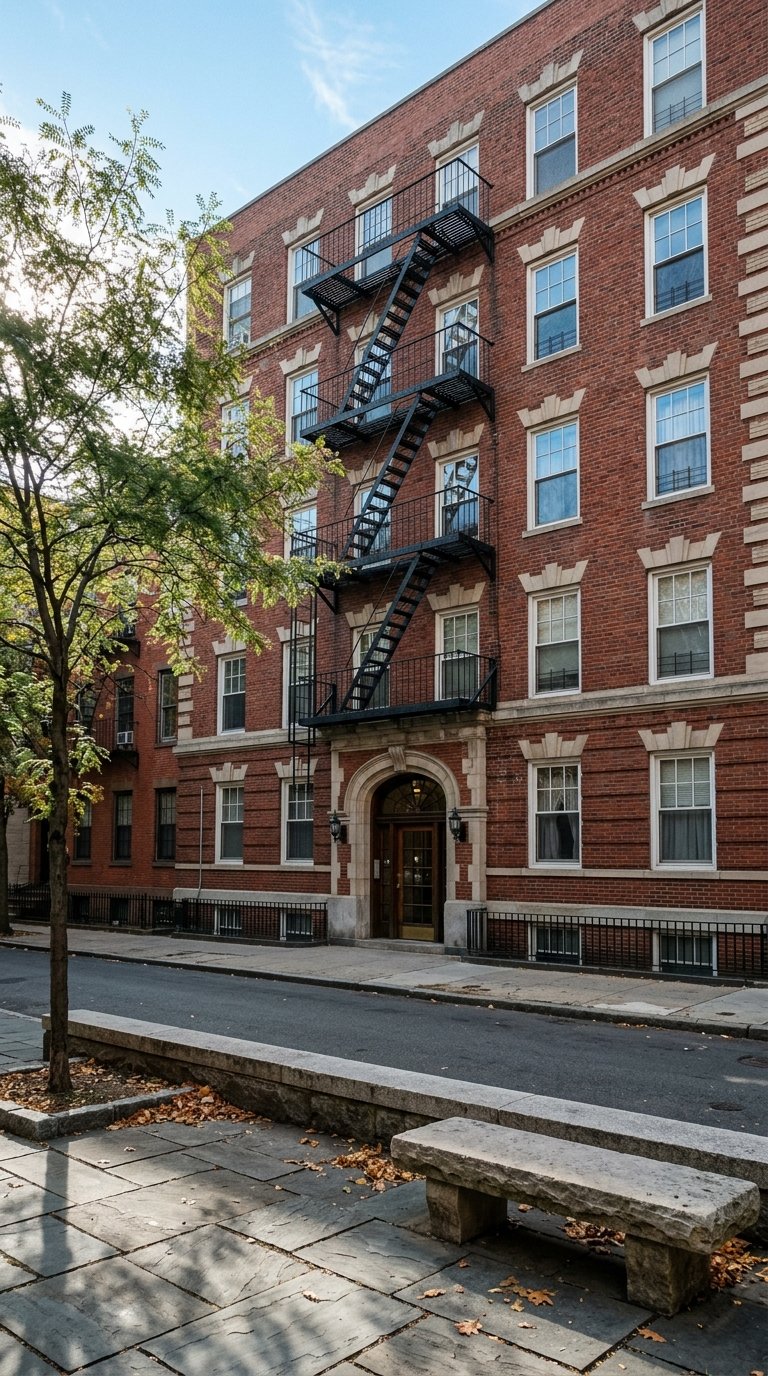
In a Queens co-op, you do not receive a deed to the apartment itself. According to the New York Attorney General, you buy shares in a corporation and receive a long-term proprietary lease for the unit. Your monthly maintenance is tied to the number of shares assigned to your apartment.
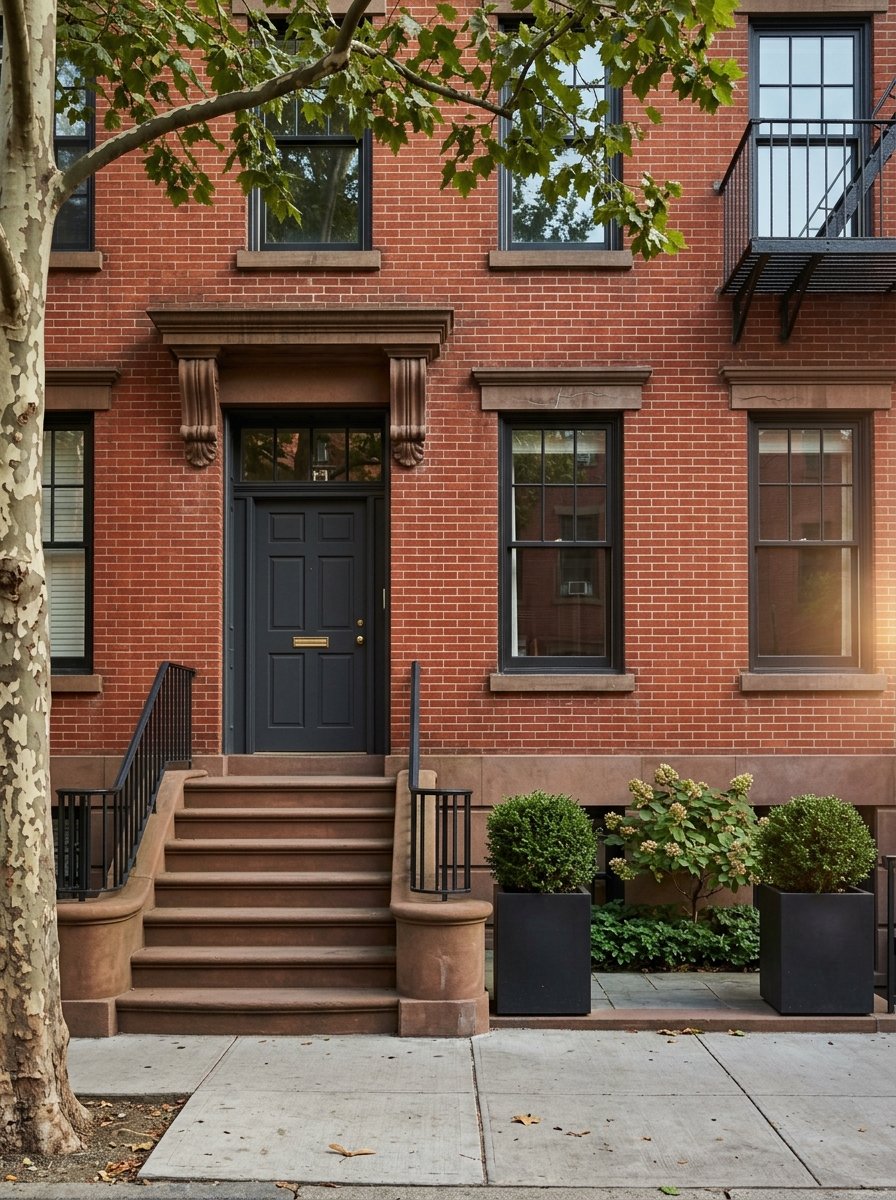
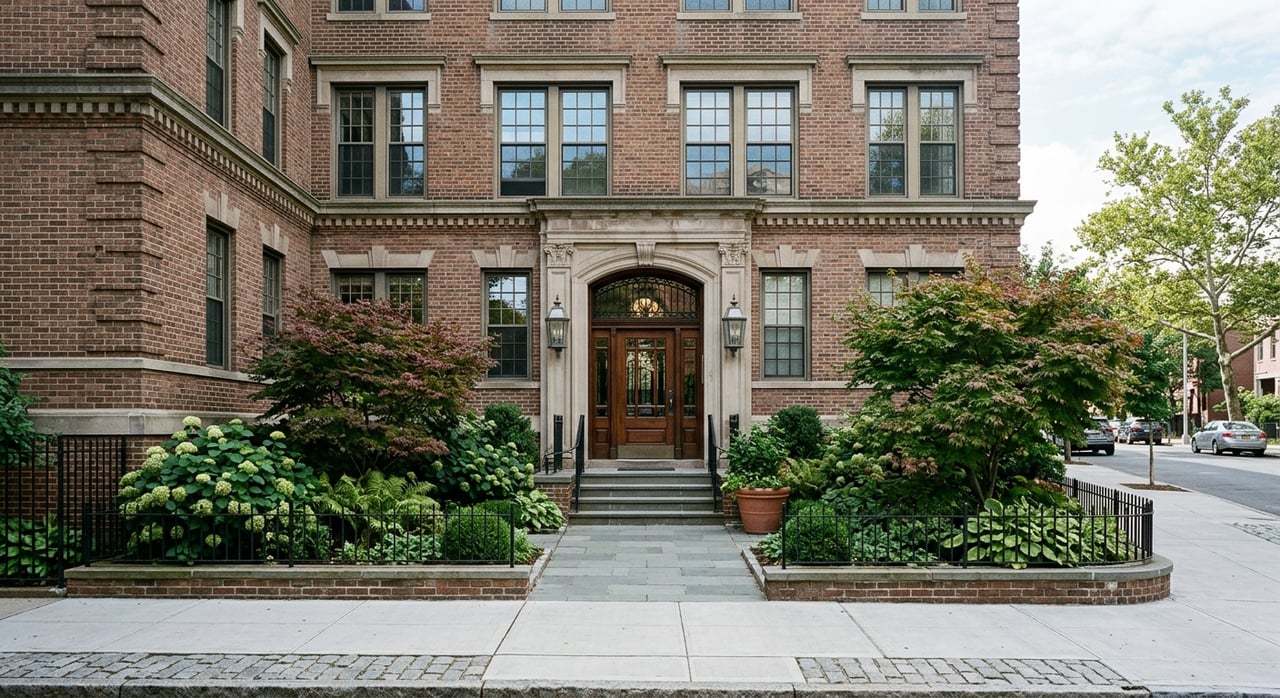
In a Queens condo, you own the unit plus an undivided interest in the common elements. That means your ownership looks more like direct real property ownership than a co-op. The New York Attorney General also notes that condo units may be separately taxed and separately mortgaged.
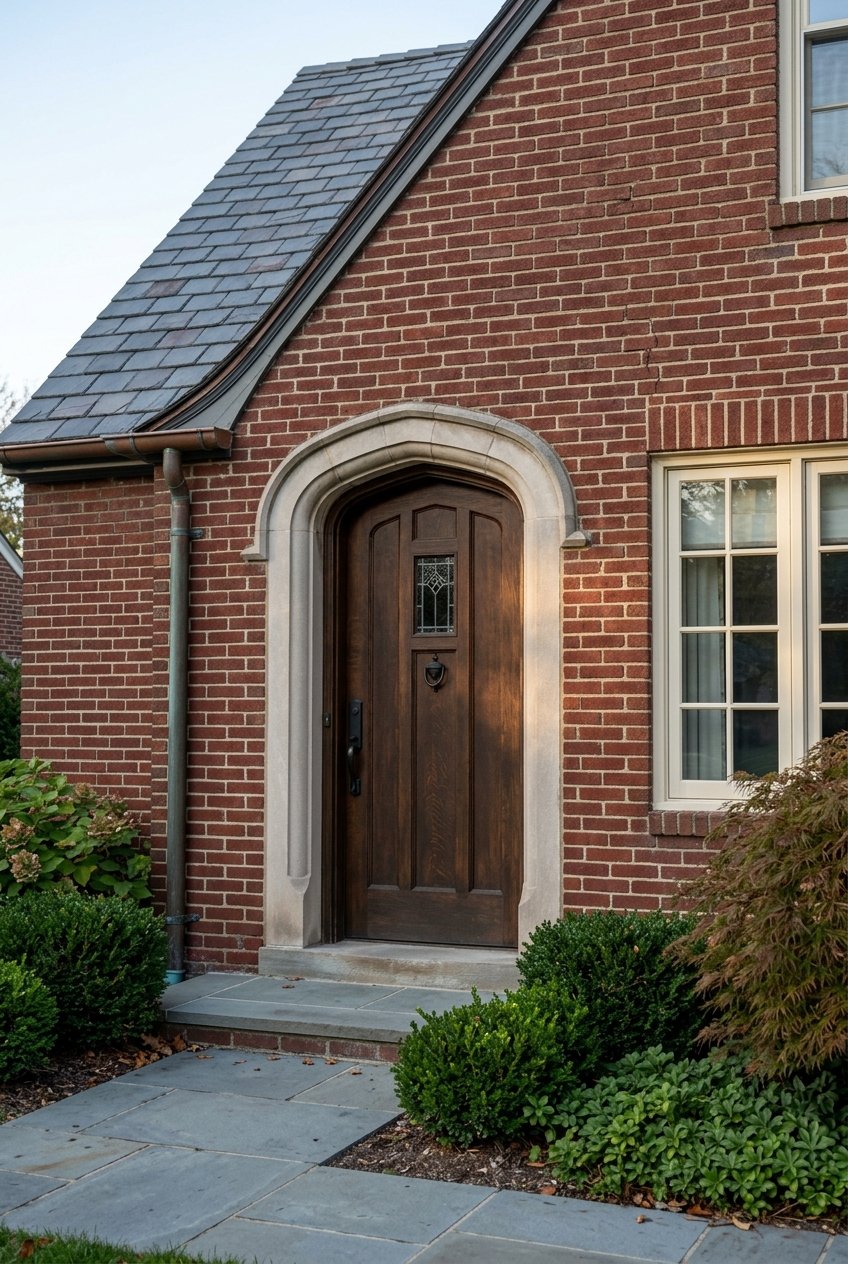
In a Nassau single-family house, you own the home and the land directly. Instead of answering to a co-op board or condo board, you deal with county assessment rules and local town or village permitting requirements.
How Control Differs
If control matters to you, this is where the decision often becomes clearer.
A co-op usually comes with the most building-level oversight. Governance is shaped by bylaws, the proprietary lease, and house rules, and the board plays a central role in how the building operates.
A condo usually offers more flexibility. There can still be restrictions in the governing documents, but condo governance is often narrower than co-op governance. In some cases, a condo board may have a right of first refusal rather than broad approval power over a sale.
A Nassau house usually gives you the most direct control over the property itself. You are not working through a resident board for routine ownership decisions, though you still need to follow local permit and code requirements for improvements.
Compare Monthly Carrying Costs
Sticker price matters, but monthly carrying cost often matters more in real life.
Queens Co-op Costs
With a co-op, your recurring bill is usually centered on maintenance charges. Those charges are building-based and tied to your share allocation. In practical terms, that can make the monthly cost feel more pooled because building finances and major shared expenses affect everyone.
For eligible developments and primary-residence units, New York City offers a co-op and condo property tax abatement. In a co-op, the board or managing agent applies on behalf of the development rather than the individual owner.
Queens Condo Costs
With a condo, monthly costs are often easier to break apart. You will usually see common charges plus a separate property tax bill. You are also generally responsible for unit-level maintenance, repairs, and casualty or liability insurance.
Eligible condo owners may also benefit from the New York City co-op and condo tax abatement if the unit is their primary residence. As with co-ops, the filing is handled at the development level rather than by the individual unit owner.
Nassau House Costs
With a Nassau house, property taxes are based on county assessment of land and improvements. Nassau County’s assessment system also points homeowners to exemption resources, including STAR.
You should also plan for direct upkeep. With a house, there is no building-wide maintenance pool covering many shared expenses the way there may be in a co-op or condo. That often means more budgeting responsibility lands directly on you.
Approvals Can Shape Your Experience
Many buyers focus on bedrooms, square footage, and finishes. Just as important is how much approval friction you may face before and after closing.
Co-op Approval and Rules
Co-ops tend to be the most board-driven. The New York Attorney General encourages buyers to review the offering plan, board minutes, annual reports, and board rules before signing.
That advice matters because those documents can reveal both the building’s financial condition and how the board governs daily life. They can also point to expensive issues involving facades, roofs, elevators, plumbing, electrical systems, or boilers.
If you value predictability and are comfortable with a more structured ownership experience, that may not bother you. If you want more flexibility, it can feel restrictive.
Condo Resale and Leasing Rules
Condos usually involve fewer private governance hurdles, but they are not rule-free. Governing documents may still include resale restrictions, leasing restrictions, notice requirements, or a right of first refusal.
That means condo ownership can feel more flexible than co-op ownership while still requiring careful document review. You should understand the rules before you assume you can rent, renovate, or resell without added steps.
Nassau House Permits
A Nassau house removes the board from the equation, but not the approval process.
In Nassau, permit requirements depend on the local municipality. For example, the Town of Oyster Bay states that permits are required for all houses and buildings, additions, interior alterations, structural changes, decks, pools, and other common projects. Hempstead separately enforces building, plumbing, electrical, and housing codes through its Building Department.
In simple terms, a Nassau house often means trading board approval for municipal approval.
Renovation Freedom Is Not the Same Everywhere
If you are thinking about updating kitchens, opening walls, adding outdoor features, or buying a value-add property, this section matters.
In Queens apartments, the New York City Department of Buildings says most construction requires a permit. Alteration work may also lead to a new or amended certificate of occupancy.
That means apartment owners often need to satisfy both city permitting rules and the building’s internal rules. Even if a project makes sense for your unit, you may still need approval from management or the board plus compliance with city requirements.
In Nassau, the process depends on the town or village. You usually have more direct control over the project itself, but you still need to follow local permit rules carefully. For buyers who want to improve a property over time, this difference can be huge.
At The Castle Team, this is where construction-informed guidance can be especially valuable. A property may look like an opportunity on paper, but the real question is whether the work, approvals, and monthly carrying costs still make sense once you look closer.
Transit and Lifestyle Fit
Your choice is also about how you want to live day to day.
Why Queens Appeals to Transit-First Buyers
Queens offers direct access to New York City Transit subways and buses, and the current subway and local bus fare is $3.00. The MTA also lists multiple Queens LIRR stations, including Long Island City, Woodside, Forest Hills, Kew Gardens, Jamaica, and Bayside.
If your routine depends on subway access, rail options, and urban convenience, Queens has a clear advantage. That is especially true if you want more transportation choices built into daily life.
Why Nassau Appeals to Buyers Seeking More Control
Nassau commuting often centers on LIRR access and county bus connections. The MTA lists stations such as Nassau Boulevard, Garden City, Mineola, Hempstead, Floral Park, and New Hyde Park, and NICE buses connect with many LIRR stations.
LIRR fares vary by zone and travel time, so commute costs are not one-size-fits-all. For many buyers, Nassau becomes more appealing when the priority is detached-home living and more direct control over the property.
Market Context Matters, But It Is Not Everything
It helps to know the bigger picture, but broad market numbers do not settle this decision on their own.
Research snapshots show Queens County average home value at $737,362 as of April 30, 2026, with a median sale price of $642,667 as of March 31, 2026. Nassau County’s median sale price was reported at $800,000 in March 2026.
Those figures are useful for context, but they are not a clean co-op-versus-condo-versus-house comparison. Each number spans multiple property types, ownership structures, and submarkets. That is why your real decision should come back to three things: monthly carry, approval friction, and personal control.
Which Option Fits You Best?
Here is the simplest way to think about it.
Choose a Queens Co-op If You Want
- A potentially lower entry point than some other ownership options
- A building-based ownership model
- Shared systems and a more structured environment
- Comfort with board review, rules, and close document scrutiny
Choose a Queens Condo If You Want
- Deeded ownership of your unit
- More flexibility than a co-op in many cases
- Separate visibility into taxes and common charges
- Urban living with fewer governance hurdles than a typical co-op
Choose a Nassau House If You Want
- Direct ownership of home and land
- The most personal control over the asset
- No co-op or condo board in your day-to-day ownership experience
- A detached-home lifestyle, while accepting direct upkeep and local permit compliance
The Smartest Comparison Is Personal
There is no universal winner between a Queens co-op, a Queens condo, and a Nassau house. The right choice depends on how you balance cost, flexibility, renovation plans, commute, and risk tolerance.
If you want help comparing the real-world tradeoffs, that is where practical guidance can make a difference. A buyer who understands building finances, permit paths, and renovation realities is in a much better position than a buyer who shops by listing photos alone.
Whether you are weighing a transit-friendly apartment in Queens or a detached home in Nassau, The Castle Team can help you make a confident move with clear, property-specific advice.
FAQs
What do you own when you buy a Queens co-op?
- In a Queens co-op, you buy shares in a corporation and receive a proprietary lease for the apartment rather than direct deeded ownership of the unit.
What do you own when you buy a Queens condo?
- In a Queens condo, you own the individual unit plus an undivided interest in the building’s common elements.
How are monthly costs different for Queens co-ops and condos?
- Queens co-ops usually center monthly costs around maintenance charges, while Queens condos typically separate common charges from property taxes and unit-level responsibilities like insurance and repairs.
How are property taxes handled for a Nassau house?
- Nassau house property taxes are based on county assessment of land and improvements, and homeowners can also review available exemption resources such as STAR through the county assessment system.
Are renovations easier in a Nassau house than in a Queens apartment?
- A Nassau house often gives you more direct control than a Queens co-op or condo, but you still need municipal permits, while Queens apartment renovations may require both city permits and building-level approval.
Is a Queens condo easier to resell than a Queens co-op?
- A Queens condo often involves fewer private governance hurdles than a co-op, but resale and leasing restrictions can still exist in the condo’s governing documents.
Which is better for commuting: Queens or Nassau?
- Queens is often stronger for transit-first buyers because it offers subway, bus, and LIRR access, while Nassau commuting usually depends more on LIRR stations and county bus connections.