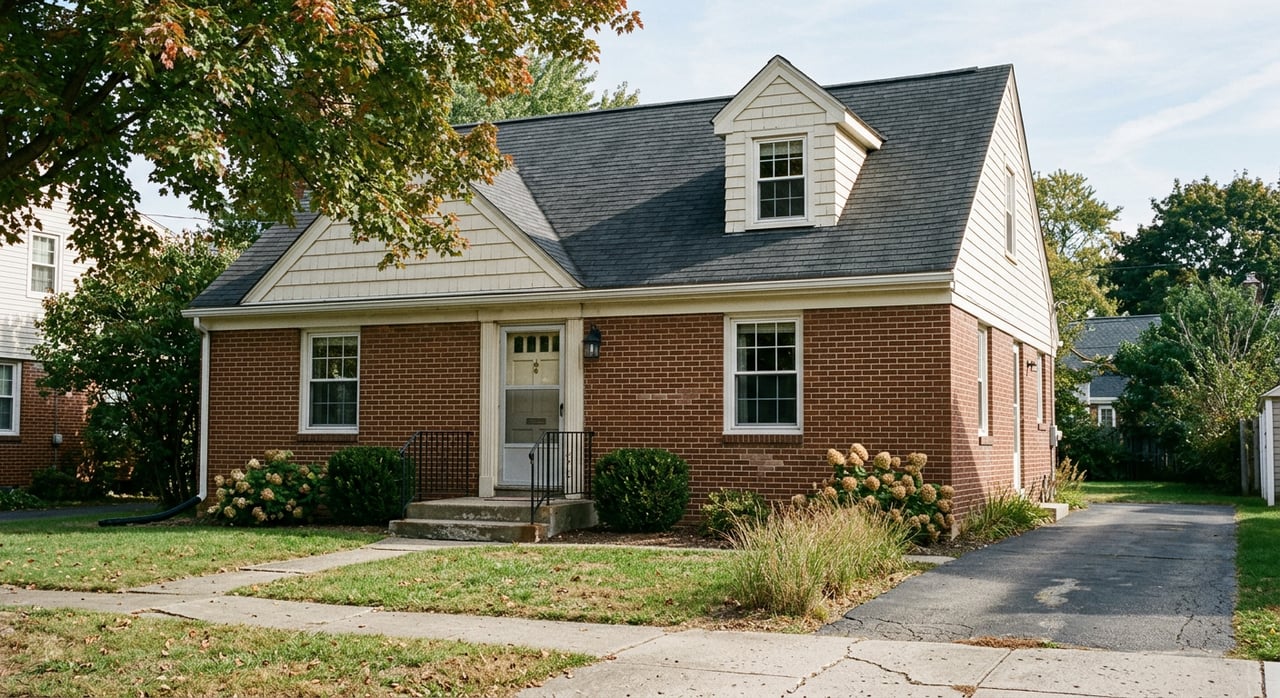
Thinking about trading your Brooklyn walk-up for a Nassau County backyard? You are not alone. Many city homeowners look to Garden City and nearby Nassau communities for more space, a garage, and a different pace without losing access to Manhattan. In this guide, you will get a clear, step-by-step plan to move from Brooklyn to Garden City or greater Nassau with fewer surprises, smarter timing, and stronger negotiating power. Let’s dive in.
The big-picture plan
Moving across markets means different property types, costs, timelines, and rules. Brooklyn often involves co-ops and condos with board approvals. Garden City and Nassau County lean toward single-family homes with standard inspections and municipal checks. Your goal is to align your Brooklyn sale with your Nassau purchase, budget for both upfront and ongoing costs, and plan inspections and logistics early so you avoid a double move if possible.
Step 1: Budget and pre-approval
Start with numbers. Get a full mortgage pre-approval, not just a quick pre-qual, so you know your comfortable purchase range and can move fast when the right home appears. The Consumer Financial Protection Bureau mortgage process explains typical timelines and documents you will need.
Build a simple budget:
- Upfront buyer costs: down payment plus roughly 2 to 5 percent of the purchase price for closing costs in New York. This usually covers title insurance, mortgage recording tax, lender fees, attorney fees, and escrowed prepaids.
- Ongoing homeowner costs: Nassau County property taxes, homeowner’s insurance, utilities, and maintenance. Older homes can bring higher energy and upkeep costs, especially for roofs, HVAC, and exterior care.
- If you will own two homes for a short period, include temporary carrying costs and a storage cushion.
Step 2: Know the market differences
- Property types and process: Brooklyn co-ops often require a detailed board package and interview. That can add 2 to 6 weeks to the timeline. Nassau County single-family purchases usually follow a standard contract, inspections, title, and municipal compliance path.
- Competition: Garden City is a desirable village. Expect well-priced homes to draw strong interest. Some buyers consider shortening contingency periods or making cleaner offers. Balance speed with protection and always keep inspection rights top of mind.
Step 3: Choose your buy–sell strategy
You have three common paths. Pick the one that matches your risk tolerance and market conditions.
- Buy contingent on sale: You write an offer that depends on your Brooklyn home selling. This lowers risk on your end but can be less competitive. If you pursue this option, set a clear contingency window and strong communication with all parties.
- Sell first, then buy: You remove the contingency, then shop with more leverage. You may need short-term housing or storage if your ideal place in Garden City lists after you close your sale.
- Buy first using cash or a bridge loan: You keep maximum buying power with no sale contingency. Expect temporary carrying costs until your Brooklyn property closes.
Step 4: Map a synchronized timeline
Use this sample 60 to 120 day plan as a starting point and adjust to your specifics.
- T-90 to T-60 days: Get pre-approval, interview agents in both markets, request CMAs for your Brooklyn property and Garden City neighborhoods.
- T-60 to T-30 days: List your Brooklyn home and begin showings. Actively tour in Nassau and submit offers. If your purchase offer is accepted, schedule inspections immediately.
- T-30 to T-7 days: Clear mortgage underwriting, finalize repairs or credits, confirm your mover, and lock closing logistics. If closings do not land on the same day, arrange storage or a short rent-back.
- Closing week: Do the final walkthrough, transfer utilities, complete closings, and move in. Plan for a small follow-up pickup for any staging items.
Step 5: Plan Nassau inspections
Long Island homes often benefit from a more technical inspection approach. Prioritize safety, major systems, and environmental checks.
- Comprehensive home inspection covering structure, roof, foundation, electrical, plumbing, HVAC
- Pest and termite inspection
- Sewer lateral camera scope for older pipes
- Radon test based on EPA guidance on radon
- Chimney and fireplace inspection if present
- Oil tank search or environmental screening if the home uses or previously used oil heat
- Lead-based paint disclosures for pre-1978 homes under federal lead-based paint disclosure rules
Repair strategy tips:
- Focus on safety and major system defects first.
- For older-home cosmetic items, consider asking for a credit or price reduction instead of repairs.
- If remediation is done for items like radon or mold, plan for a retest.
Step 6: Understand taxes and transfer costs
When you sell in Brooklyn and buy in Nassau, you will encounter different taxes and rules.
- Transfer taxes on your sale: New York State charges a real estate transfer tax. Review the basics on the New York State real estate transfer tax. If your property is in NYC, confirm whether the NYC Real Property Transfer Tax applies.
- Property taxes in Nassau: Do not compare rates alone. Compare expected annual tax bills on the target Nassau home. You can review assessment and process details with the Nassau County Department of Assessment. Also review your current NYC property tax bill to align apples-to-apples.
- Typical seller costs: agent commission, payoff of any mortgage, and prorated taxes or adjustments at closing.
Work closely with your lender and attorney to confirm final numbers. Small timing shifts can affect your cash-to-close or prorations.
Step 7: Commute and lifestyle planning
From Garden City, many commuters choose the Long Island Rail Road for access to Manhattan. Door-to-door times often range from 30 to 60 minutes depending on station access, transfers, and your destination in the city. Check current LIRR timetables to gauge peak and off-peak schedules. Driving can be less predictable because of bridges, tunnels, and expressway traffic. Remember to factor in tolls and parking costs if you plan to drive regularly.
Lifestyle shifts to expect:
- More space: yard, garage, and storage open new possibilities.
- Maintenance: plan for lawn care, snow removal, and exterior upkeep. Heating fuel type and age of systems impact annual costs.
- Community and schools: many buyers review public education data and local reports when comparing districts. Base decisions on official sources that match your priorities.
Step 8: Logistics that reduce stress
Line up these details early so you do not scramble late in the process.
- Movers: get multiple quotes and lock your date. Summer slots book quickly.
- Utilities: schedule start and stop dates for gas, electric, water, and internet.
- Insurance: line up homeowner’s coverage and update auto policies if needed.
- Flood maps: verify whether your target property lies in a mapped area using the FEMA Flood Insurance Rate Maps.
- Permits and compliance: confirm that additions, pools, or major renovations have permits. Unresolved issues can delay closing.
- School records: if applicable, prepare transfers early so enrollment is smooth.
Step 9: Closing and move-in week
In the final week, keep your checklist tight and simple:
- Final walkthrough of the Nassau home
- Confirm cashier’s checks or wire instructions with your closing attorney
- Label boxes for rooms and essentials, and pack an overnight kit
- Transfer utilities, change of address, and update subscriptions
- Schedule a post-move home systems briefing with your inspector if offered
Quick start checklist
Use this short list to get momentum today:
- Get a lender pre-approval and set a realistic budget
- Request CMAs for your Brooklyn sale and target Nassau neighborhoods
- Interview dual-market agents with co-op and Long Island experience
- Book mover estimates and review storage options
- Plan inspections: general, termite, radon, sewer scope, chimney, and oil tank check
- Check FEMA flood maps and ask your insurer for a draft quote
How we support your cross-market move
You need a guide who understands Brooklyn co-op and condo rules and the technical inspection needs of Nassau County homes. Our team pairs construction-level insight with disciplined transaction management so you can protect your budget and timeline. We help you:
- Price and market your Brooklyn property while preparing a strong Nassau offer
- Coordinate inspections with a focus on structure, systems, and environmental risks
- Align sale and purchase timelines to reduce the chance of a double move
- Negotiate credits or repairs that prioritize safety and long-term value
If you are ready to map your move from Brooklyn to Garden City or anywhere in Nassau, let’s connect. Start with a free plan and a data-backed valuation of your current home.
Ready to take the next step? Connect with The Castle Team at Keller Williams to build your custom timeline and move with confidence.
FAQs
How long does a Brooklyn-to-Nassau move usually take?
- Many moves fit within a 60 to 120 day window after pre-approval, but your exact timing depends on your sale type, co-op board approvals if applicable, lender speed, and inspection outcomes.
What inspections are standard for Garden City houses?
- Plan for a comprehensive home inspection, termite, radon test, sewer scope, chimney check, and an oil tank search if applicable, with lead disclosures for pre-1978 homes.
How do property taxes in Nassau compare to Brooklyn?
- Nassau taxes are assessed differently than NYC. Compare estimated annual bills for each property and consult the Nassau County Department of Assessment for clarity.
What are my commuting options from Garden City to Manhattan?
- Most residents use the LIRR on the Hempstead Branch. Check current LIRR timetables and factor in station access time, transfers, and your Midtown destination.
Can I make a contingent offer in Garden City?
- Yes, but in competitive settings a sale contingency can weaken your position. Consider shorter contingency windows, stronger terms, or selling first if you need maximum leverage.
What transfer taxes will I pay when selling in Brooklyn?
- New York State imposes a real estate transfer tax and, within NYC, the NYC Real Property Transfer Tax may also apply. Confirm specifics with your attorney.