Thinking about a Brooklyn townhouse and torn between Bushwick and Bed-Stuy? That comparison matters because these two neighborhoods can look close on a map but feel very different when you compare price, building stock, renovation demands, and resale pace. If you want a clearer way to weigh entry cost against long-term upside, this guide will help you sort through the tradeoffs and decide which market may fit your goals better. Let’s dive in.
Bushwick vs Bed-Stuy at a Glance
If you start with the big picture, Bedford-Stuyvesant currently sits higher than Bushwick on several headline market metrics. As of April 2026, Realtor.com shows a median listing price of $1.26 million in Bed-Stuy compared with $895,000 in Bushwick. Median rent also runs higher in Bed-Stuy at $4,150 per month versus $3,500 in Bushwick.
The pace of the market is different too. Bed-Stuy shows a median of 49 days on market, while Bushwick is at 74 days. The sale-to-list ratio is also tighter in Bed-Stuy at 97% compared with 94% in Bushwick, which points to somewhat stronger pricing power even though both neighborhoods are described as buyers' markets.
Zillow’s March 31, 2026 home value snapshot moves in the same direction. Zillow places Bed-Stuy at $1,121,279 and Bushwick at $989,169. These are broad neighborhood snapshots, not townhouse-only figures, but they offer useful context when you begin comparing the two areas.
Townhouse Pricing Differences
For many buyers, the first real dividing line is entry price. Based on current neighborhood-wide listing data, Bushwick looks more approachable from a budget standpoint. That lower starting point can open the door for buyers who want more room for renovation costs, carrying costs, or post-closing upgrades.
Bed-Stuy, by contrast, asks you to pay more upfront for the market’s stronger historic appeal, faster turnover, and higher rent ceiling. If your goal is to own a classic Brooklyn brownstone-style asset in a neighborhood with a more established townhouse identity, Bed-Stuy may feel worth the premium. If your focus is stretching capital and finding a value-add angle, Bushwick may deserve a closer look.
Housing Stock Feels Different
Bed-Stuy has a classic brownstone identity
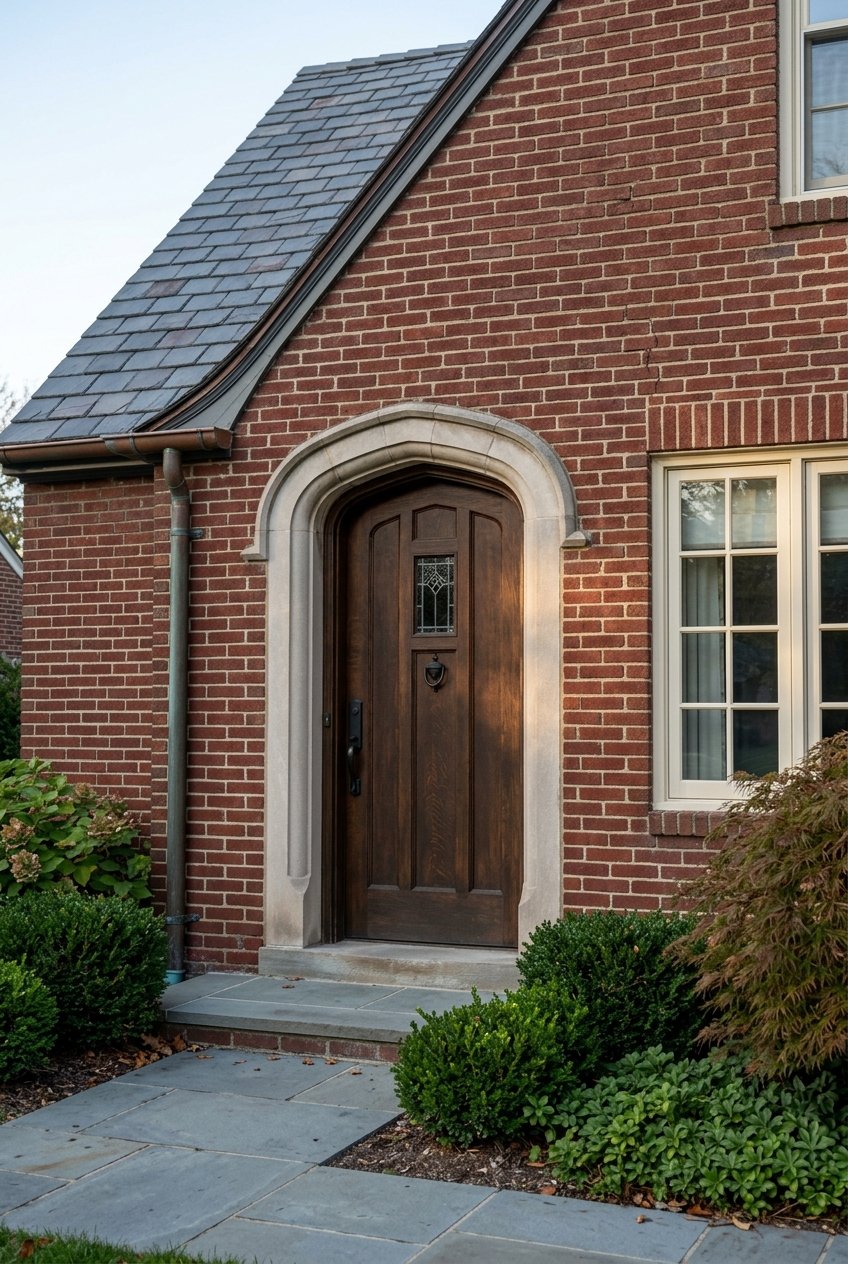
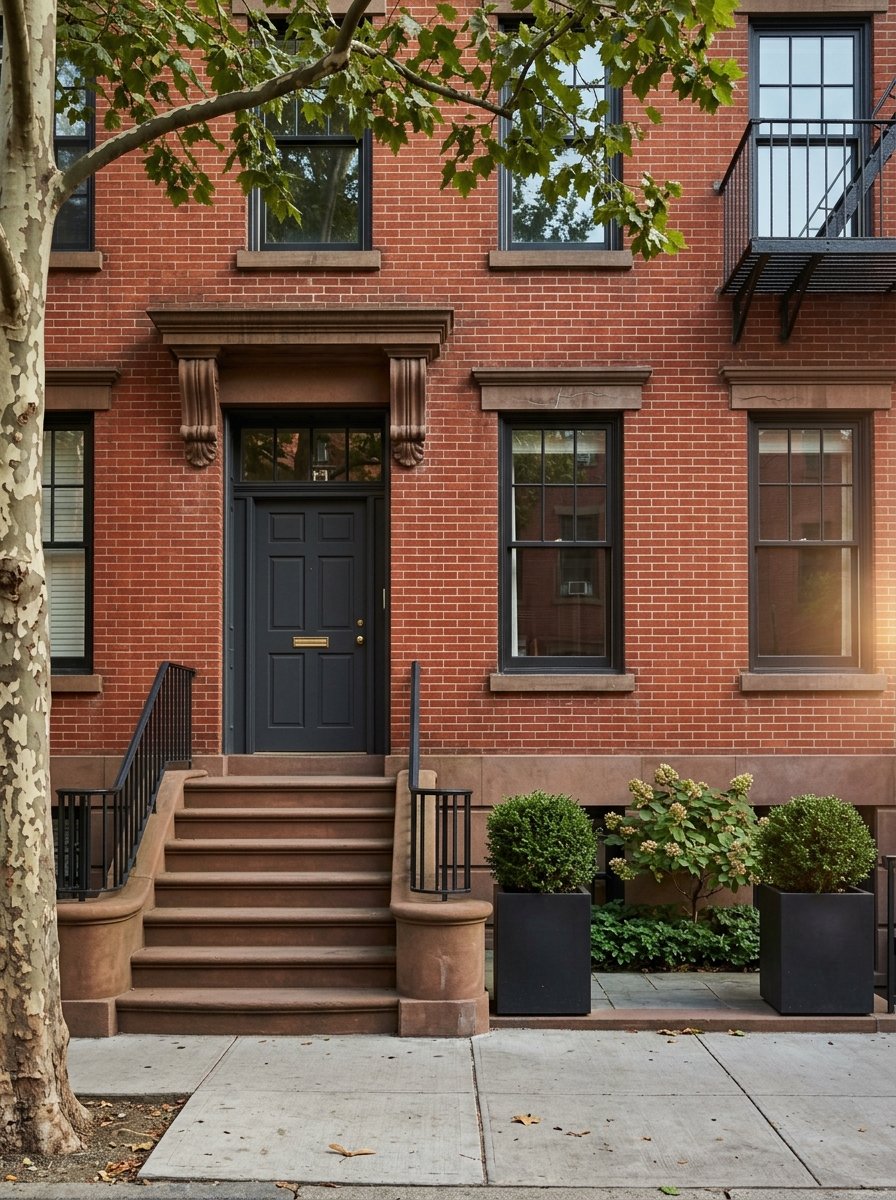
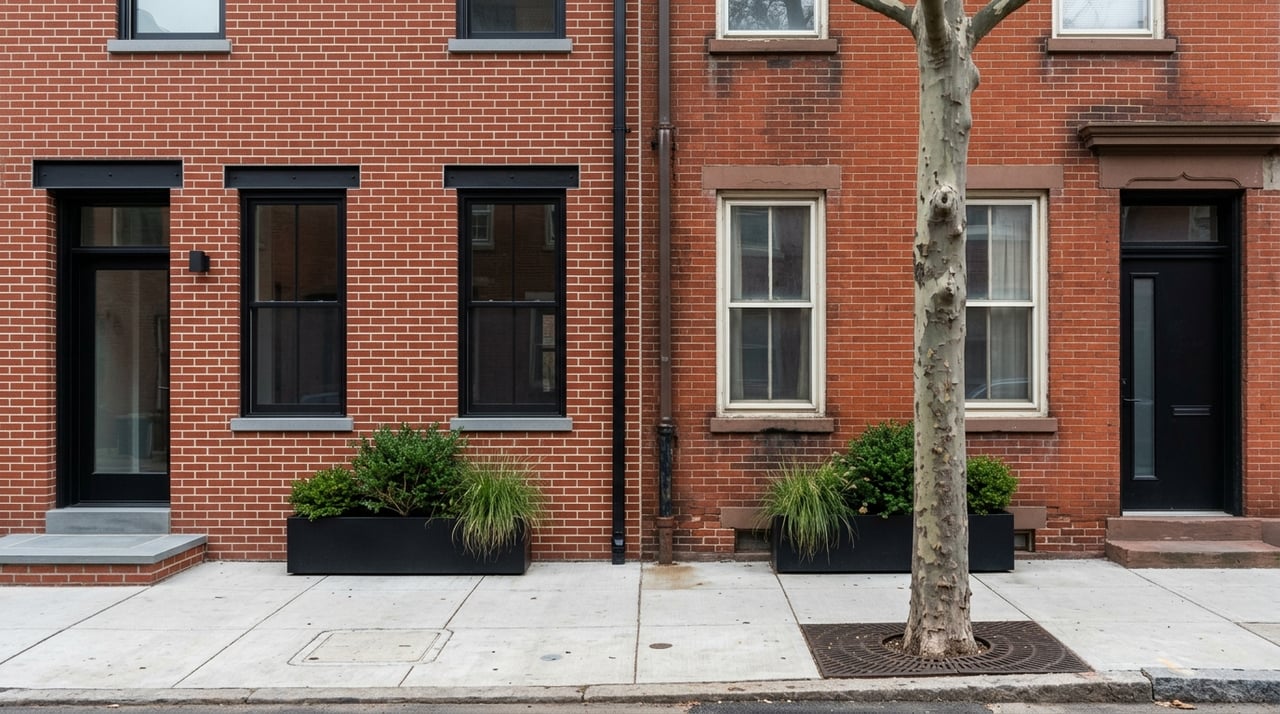
Official planning documents describe Bed-Stuy as a predominantly residential neighborhood known for historic three- to four-story brownstones with small front yards and stoops. Mid-blocks are mostly row houses, while larger apartment buildings appear more often along avenue corridors. In simple terms, Bed-Stuy often reads as the more traditional Brooklyn townhouse market.
That consistency can help if you know exactly what you want. Buyers looking for a classic brownstone shell, familiar row-house streetscapes, and a more uniform townhouse environment often find Bed-Stuy easier to understand block by block.
Bushwick offers more variety
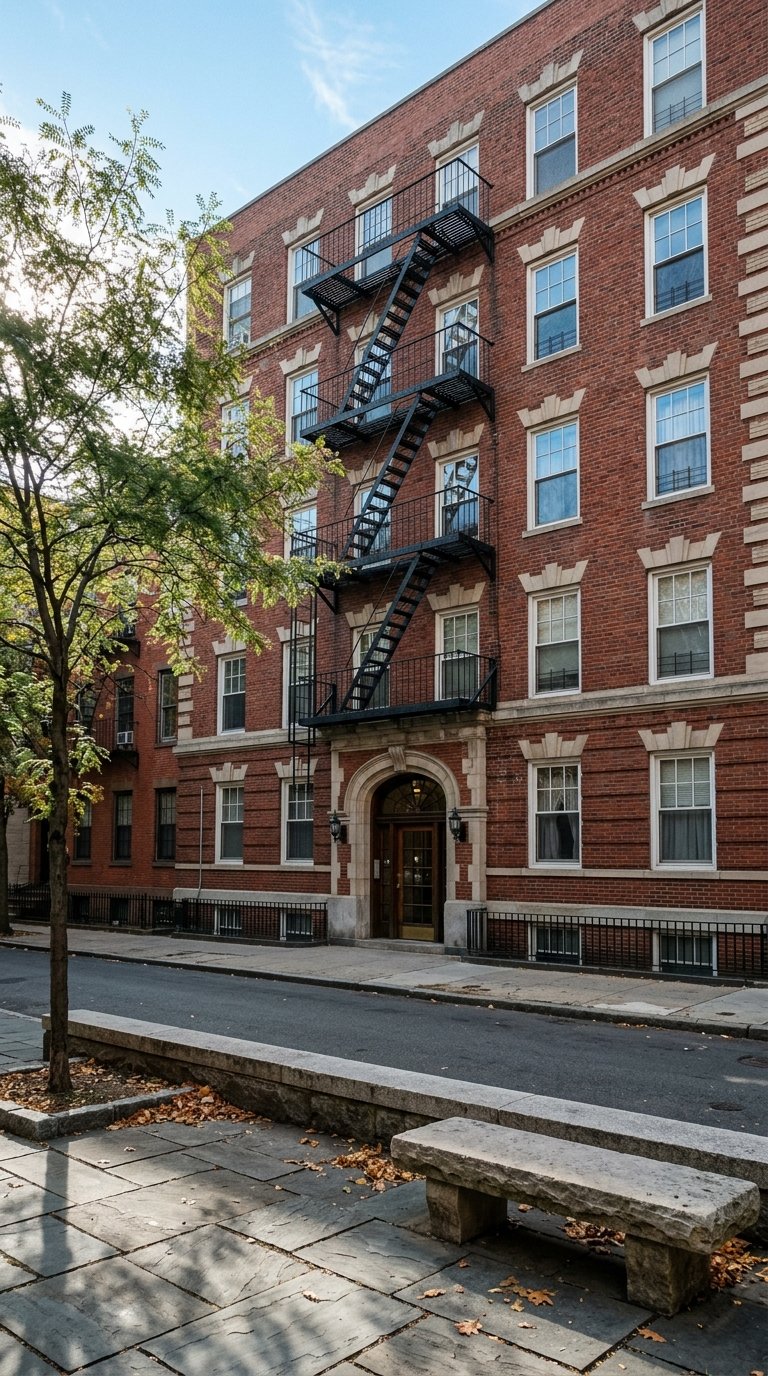
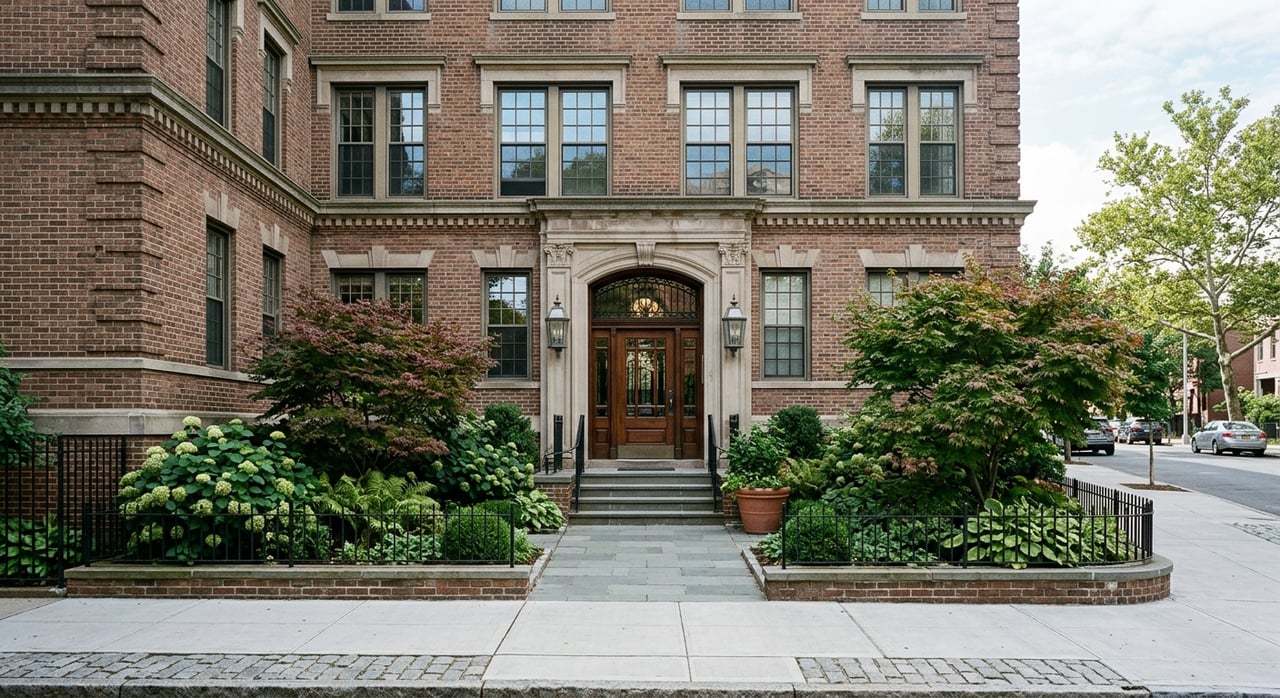
Bushwick is more mixed in its built form. According to the Bushwick Neighborhood Plan, western Bushwick has a large stock of multifamily housing, while eastern Bushwick is dominated by owner-occupied two- and three-family rowhouses. Other neighborhood descriptions also point to a mix of brownstones, newer condos, converted lofts, limestone buildings, and six-family apartment buildings.
That broader mix creates more variation in what you may see from one block to the next. For buyers and investors, that can mean more flexibility and more opportunity, but it also means you need to evaluate each property with care rather than relying on a neighborhood-wide label.
Renovation Costs and Property Condition
Age matters in both neighborhoods. In Bed-Stuy, nearly two-thirds of all homes are more than 70 years old, according to HPD, and about one in four apartments has three or more maintenance deficiencies. That helps explain why renovation budgets can rise quickly, especially when systems, deferred maintenance, or facade work enter the picture.
Bushwick’s housing stock is also old, with a median residential building age of more than 75 years. Older buildings can offer charm and upside, but they may also bring hidden conditions that affect structure, waterproofing, mechanical systems, or layout efficiency. That is where strong property-level due diligence becomes essential.
From a practical standpoint, the renovation story often differs by neighborhood. Bed-Stuy’s upside commonly comes from restoring or reworking a desirable historic shell. Bushwick may offer heavier value-add potential, but outcomes can vary more based on block, building type, zoning context, and site conditions.
Preservation and Landmark Considerations
Bed-Stuy has more landmark friction
If exterior work is part of your plan, Bed-Stuy often comes with more preservation-related complexity. The neighborhood has a larger landmark footprint, including historic district coverage such as Bedford Stuyvesant and Expanded Stuyvesant Heights. The Landmarks Preservation Commission also designated the Willoughby-Hart Historic District in 2024.
On protected blocks, exterior changes, additions, and facade work can trigger review. That does not make a project impossible, but it can affect timeline, design flexibility, and the path to approval.
Bushwick has fewer landmarked blocks today
Bushwick’s preservation story is newer. Its first historic district, the Linden Street Historic District, was designated in 2023, and planning documents identify additional study areas and landmark candidates. Compared with Bed-Stuy, Bushwick generally has a lighter landmark footprint today.
For buyers considering exterior upgrades or more aggressive repositioning, that can mean fewer preservation constraints on some properties. Still, each address needs to be checked carefully because district boundaries and site-specific rules matter more than neighborhood reputation.
Flooding and Site Risk in Bushwick
One of Bushwick’s biggest practical concerns is site risk. In 2025, the city announced a $390 million infrastructure package to reduce chronic flooding in Bushwick, noting that the area has dealt with flooding since the 1960s and that the sewer system was inadequate even for moderate rainstorms.
If you are looking at a Bushwick townhouse, this makes basement condition, drainage, grading, and water history especially important. A lower purchase price can lose its appeal quickly if site conditions create costly repairs or limit how you can use lower-level space. This is one reason block-by-block analysis matters so much in Bushwick.
Transit Access Supports Both Markets
Transit access is a strength in both neighborhoods, which helps support both resale liquidity and rental demand. Bushwick’s planning report cites the J, M, Z, and L subway lines along with more than nine bus routes. Bed-Stuy’s rezoning materials cite the A and C along Fulton Street, the J and Z along Broadway, the G along Lafayette Avenue, several bus routes, and a Long Island Rail Road station at Nostrand and Atlantic Avenues.
For buyers, that means both neighborhoods benefit from broad connectivity within Brooklyn and into other parts of New York City. Transit does not erase property-level differences, but it does support the long-term appeal of townhouse ownership in both areas.
Rental Potential and Investor Appeal
If you are comparing the two neighborhoods as an investment, Bed-Stuy currently shows the higher rent ceiling. Realtor.com reports median rent at $4,150 per month in Bed-Stuy versus $3,500 in Bushwick. Bed-Stuy also has more rental inventory, with 491 listings compared with 196 in Bushwick.
That does not automatically make Bed-Stuy the better investment for every buyer. Higher rents come with a higher entry price, and the right choice often depends on your acquisition basis, renovation budget, and hold strategy. Bushwick may still appeal if you want a lower price point and the ability to create value through upgrades or repositioning.
As a directional backdrop, a Brooklyn townhouse report covering Q4 2025 found healthy but selective activity borough-wide. In that report, the combined Bedford-Stuyvesant, Crown Heights, Prospect-Lefferts Gardens, and Bushwick group had the most townhouse activity in Brooklyn, including 96 multifamily townhouse closings at a $1.60 million median price. Because the report groups multiple neighborhoods, it works best as broad context rather than a direct Bushwick-versus-Bed-Stuy comparison.
Which Neighborhood May Fit You Best
Bed-Stuy may fit you if
- You want a more classic brownstone market
- You value faster-moving resale conditions
- You are comfortable with a higher entry price
- You want access to a higher current rent ceiling
- You understand that landmark-related review may affect renovation plans
Bushwick may fit you if
- You want a lower neighborhood-wide entry point
- You are open to more product variety
- You are looking for value-add potential
- You want slightly more negotiating room based on current market metrics
- You are prepared to study site conditions, especially drainage and basement risk
The Real Decision Comes Down to Strategy
There is no universal winner in a Bushwick versus Bed-Stuy townhouse search. Bed-Stuy looks stronger on price, rent, and resale pace, while Bushwick looks more accessible and potentially more flexible for buyers who can handle block-by-block variance. Your best choice depends on whether you value historic premium and stability more than entry price and repositioning potential.
When you compare specific properties, the details matter more than the headline. Building condition, landmark status, basement risk, layout, and renovation scope can all change the equation fast. That is why a townhouse search in either neighborhood works best when you look beyond listing photos and evaluate the asset like both a home and an investment.
If you are weighing a townhouse in Bushwick or Bed-Stuy, the right guidance can help you spot hidden risk, understand renovation upside, and make a smarter move with your capital. Connect with The Castle Team for practical, construction-informed guidance on Brooklyn townhouses, brownstones, and value-add opportunities.
FAQs
Is Bed-Stuy more expensive than Bushwick for townhouses?
- Based on neighborhood-wide April 2026 listing data, Bed-Stuy is more expensive, with a median listing price of $1.26 million versus $895,000 in Bushwick.
Does Bushwick or Bed-Stuy have higher rents for rental property owners?
- Bed-Stuy currently shows higher median rent at $4,150 per month compared with $3,500 per month in Bushwick.
Which neighborhood moves faster, Bushwick or Bed-Stuy?
- Bed-Stuy currently moves faster, with a median 49 days on market versus 74 days in Bushwick.
Are Bed-Stuy townhouses more likely to face landmark review?
- Yes. Bed-Stuy has a heavier landmark footprint, so exterior work on protected properties may require review by the Landmarks Preservation Commission.
What should buyers watch for in Bushwick townhouse properties?
- Buyers should pay close attention to site-specific conditions such as basement condition, drainage, grading, and flooding history, along with building age, layout, and renovation scope.